Introduction
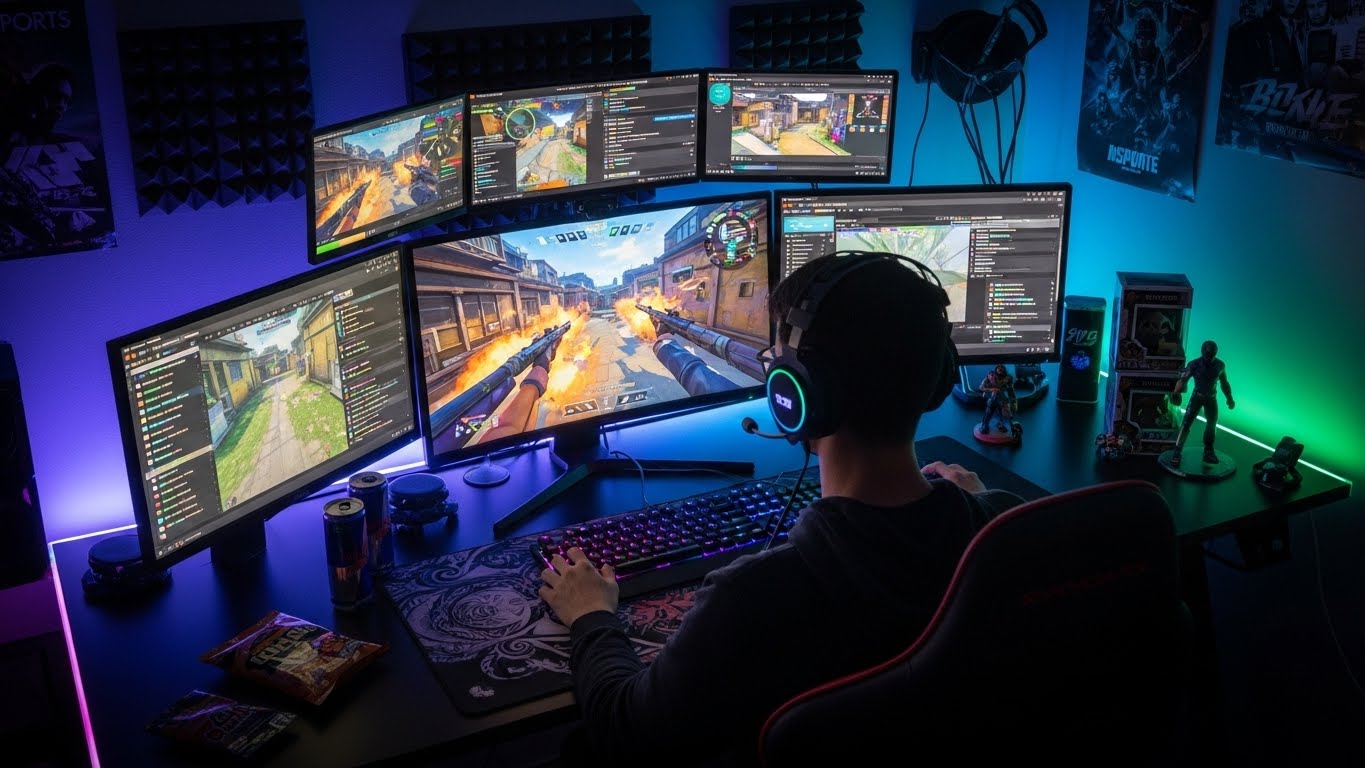
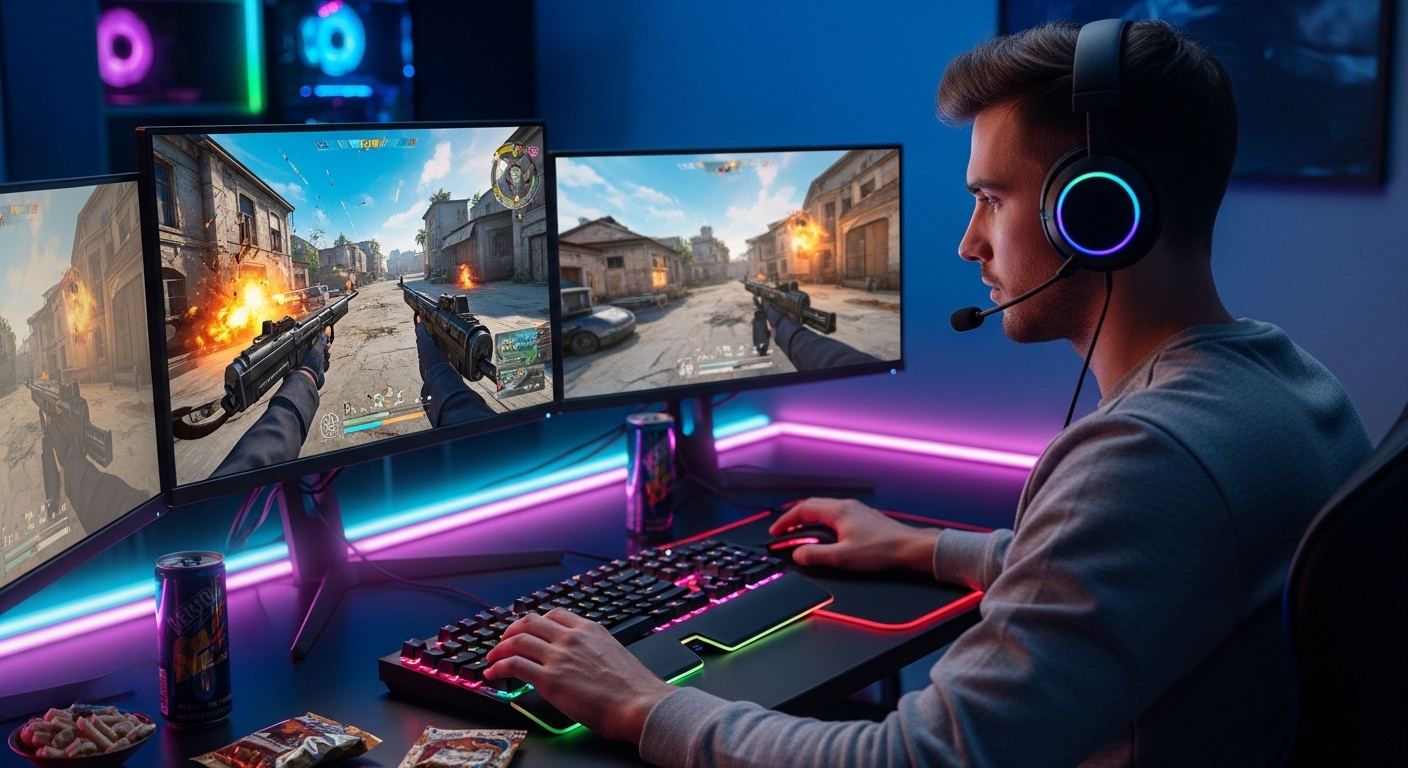
Gaming has transcended its early identity as a simple hobby and evolved into a cultural, social, and technological revolution. What once started as pixelated adventures on small screens has now become an expansive world of immersive experiences powered by cutting-edge technology. Today, gaming influences entertainment, education, business, and even social interaction. From console wars to mobile gaming revolutions, the industry continues to shape how we connect and compete in the digital age. This blog explores the fascinating journey of gaming, its technological evolution, social impact, and the promising future it holds.
The Birth of Digital Entertainment
The history of gaming begins with simplicity. In the 1970s and 1980s, video games like Pong and Space Invaders laid the groundwork for what would become a multibillion-dollar industry. These early titles introduced people to interactive entertainment, allowing them to control on-screen elements in real time—a concept that was groundbreaking at the time. The 8-bit and 16-bit eras that followed, marked by consoles like the Nintendo Entertainment System and the Sega Genesis, transformed gaming into a household activity. Each new console generation brought better graphics, more complex gameplay, and captivating stories that drew players deeper into virtual worlds.
As technology advanced, gaming began to mirror the innovations of the computer and electronics industries. The development of microprocessors, sound chips, and graphic cards gave rise to titles that were more realistic, challenging, and emotionally engaging. What was once considered a toy for children became a legitimate form of entertainment for people of all ages.
The Rise of Consoles and PC Gaming
The console wars between major brands defined an entire generation of gamers. Each company sought to outperform the others by offering better graphics, faster performance, and exclusive titles. At the same time, personal computers opened a new dimension for gaming. PC gaming offered flexibility, allowing users to customize hardware, install mods, and access a variety of independent games that pushed creative boundaries.
Games like Doom and Half-Life revolutionized the first-person shooter genre, while role-playing titles like Baldur’s Gate and The Elder Scrolls brought storytelling to new heights. The rise of online multiplayer capabilities further expanded the gaming experience, transforming solitary play into social interaction. The internet allowed gamers from different continents to compete, cooperate, and form communities—giving birth to the foundation of modern online gaming.
Mobile Gaming: Entertainment in Your Pocket
The 21st century introduced one of the most significant shifts in the gaming landscape—mobile gaming. With the advent of smartphones, millions gained access to games anytime and anywhere. Titles like Angry Birds, Candy Crush, and Clash of Clans proved that even simple concepts could attract massive audiences. Mobile gaming broke the stereotype that only dedicated consoles and PCs could deliver enjoyable experiences.
The accessibility of mobile gaming also contributed to the expansion of the gaming audience. From children to senior citizens, people from all demographics found entertainment in mobile games. This democratization of gaming fueled unprecedented growth, making the industry more inclusive and profitable than ever before. Today, mobile gaming accounts for a significant portion of global gaming revenue and continues to evolve with advancements in cloud computing and 5G technology.
The Social Connection of Online Gaming
Gaming is no longer just about entertainment—it has become a global platform for connection. Online games enable players to communicate, collaborate, and compete in real time. Multiplayer games like Fortnite, Call of Duty, and League of Legends have transformed into digital meeting spaces where friendships are formed and communities thrive.
The rise of live-streaming platforms further amplified the social aspect of gaming. Gamers are not only playing but also performing, creating content that attracts millions of viewers worldwide. Streaming personalities and eSports professionals have turned gaming into a viable career path, blurring the line between play and profession. This cultural shift has made gaming an integral part of modern identity, influencing how people interact, learn, and even work.
The Emergence of eSports
eSports, or competitive gaming, has rapidly become one of the fastest-growing segments of the entertainment industry. With large-scale tournaments, professional teams, and multimillion-dollar prize pools, eSports has gained recognition comparable to traditional sports. Players train rigorously, developing reflexes, strategies, and teamwork skills that rival those of athletes in physical sports.
Events like The International and the League of Legends World Championship draw massive audiences both online and in stadiums. eSports organizations have emerged with sponsorships, endorsements, and media coverage, elevating gaming to a professional and commercial level. The rise of eSports highlights how gaming has matured from a pastime into a legitimate global industry that demands skill, discipline, and creativity.
The Role of Technology in Shaping Modern Gaming
The technological advancements of recent years have reshaped the way we experience games. Graphics have reached near-photorealistic levels, powered by powerful GPUs and real-time rendering technologies. Artificial intelligence has enhanced gameplay mechanics, making non-player characters more responsive and realistic. Virtual Reality (VR) and Augmented Reality (AR) have further pushed the boundaries, allowing players to immerse themselves in interactive environments that blend the physical and digital worlds.
Cloud gaming is another major leap forward. Instead of relying on expensive hardware, players can now stream high-quality games directly from servers, much like watching a movie online. This innovation promises to make gaming even more accessible and environmentally sustainable, as it reduces the need for frequent hardware upgrades.
Gaming as an Educational and Creative Tool
Beyond entertainment, gaming has proven to be a valuable tool for education and creativity. Simulation games teach problem-solving, management, and critical thinking. Titles like Minecraft encourage creativity and collaboration, while strategy games enhance decision-making and analytical skills. Educators around the world have started using gamification to make learning more interactive and engaging.
Game development itself has become a thriving creative industry. Artists, writers, programmers, and designers collaborate to craft experiences that blend art, storytelling, and technology. The process of creating a game mirrors the collaboration found in film and literature, demonstrating that gaming is not just a technological achievement but also an artistic one.
The Psychological and Social Impact of Gaming
Gaming often receives criticism for promoting addiction or isolation, but research shows that when enjoyed responsibly, it offers numerous benefits. Games can reduce stress, improve cognitive functions, and foster teamwork. They also provide a safe outlet for competition and self-expression. The emotional narratives in modern games allow players to explore empathy, morality, and identity in ways other media cannot replicate.
Furthermore, online gaming communities offer a sense of belonging and inclusion. Players can find friends who share their interests regardless of location, creating cross-cultural connections. Gaming has become a bridge that unites people through shared goals and experiences, breaking barriers of language and geography.
The Future of Gaming: What Lies Ahead
The future of gaming is filled with exciting possibilities. Artificial intelligence will continue to enhance game design, making worlds more dynamic and adaptive. The metaverse—a concept where virtual spaces interconnect—will redefine social gaming by allowing users to live, work, and play within shared digital environments.
Moreover, advances in wearable technology, brain-computer interfaces, and immersive audio will make gaming more realistic than ever. The convergence of gaming with other industries like film, fashion, and education will expand its reach and influence. As technology continues to evolve, gaming will remain at the forefront of innovation, constantly pushing the limits of imagination.
Conclusion
Gaming has come a long way from the days of arcade machines and pixelated graphics. It has evolved into an industry that not only entertains but also educates, connects, and inspires. With each technological advancement, gaming grows more inclusive, interactive, and impactful. It is now a universal language that transcends cultures, uniting people through creativity and play. The digital battleground of gaming continues to shape our world—one level, one challenge, and one story at a time.