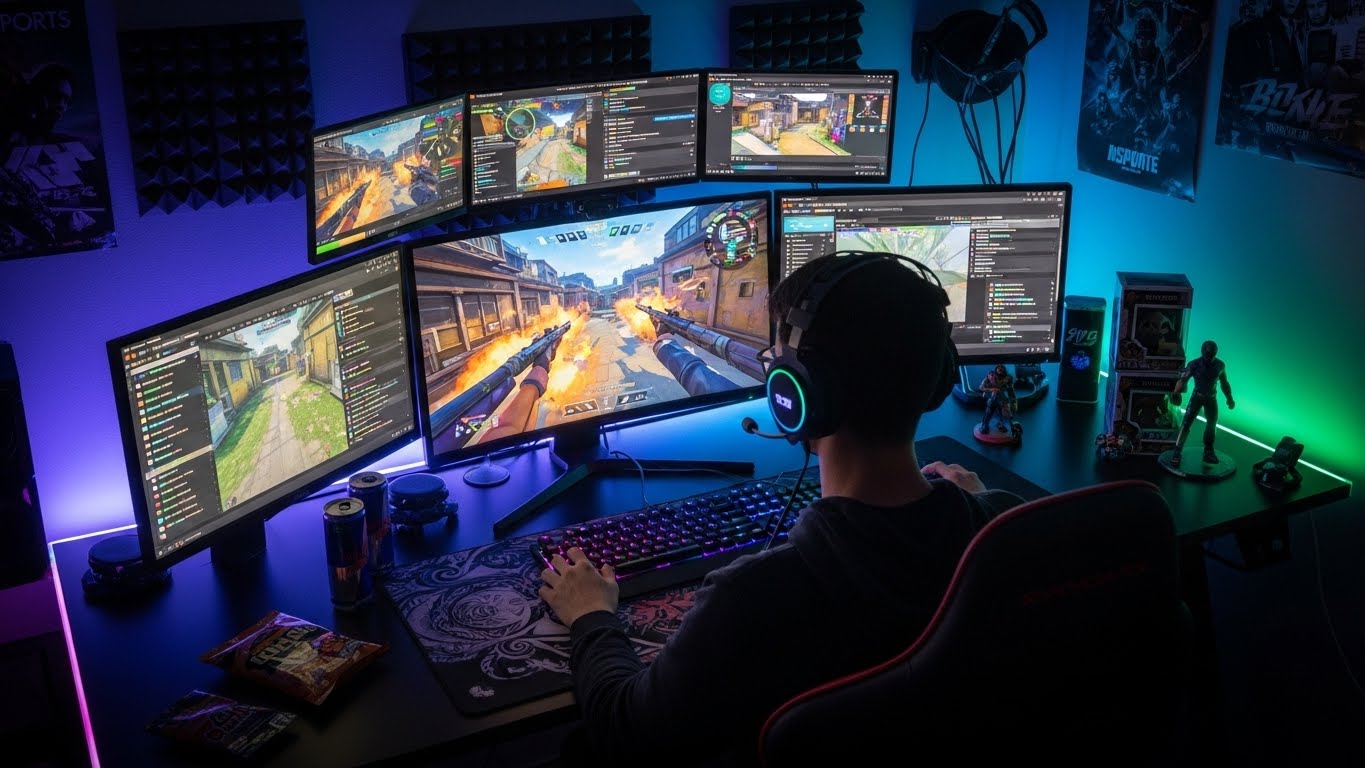
Gaming has transformed from a niche hobby to a global phenomenon. What was once an activity enjoyed by a small community of enthusiasts has now become an integral part of popular culture, influencing everything from entertainment to technology and social interaction. Whether you’re an avid gamer or just someone curious about the evolution of gaming, it’s clear that the digital landscape has shifted drastically over the years. In this post, we’ll explore the rise of gaming, its impact on society, and where it’s heading in the future.
The Early Days: Simple Beginnings
The story of modern gaming began in the late 20th century with the advent of arcade machines. Games like Pong and Space Invaders provided the first taste of interactive entertainment. These early games were simple by today’s standards—mostly 2D with pixelated graphics—but they sparked a revolution in entertainment. Gamers would gather around arcade cabinets, competing for high scores and enjoying the social atmosphere that came with playing in public spaces.
As technology improved, home consoles began to emerge, making gaming more accessible. The Atari 2600, released in 1977, brought the arcade experience into the living room, and the Nintendo Entertainment System (NES) in the mid-1980s further propelled the gaming industry into mainstream popularity.
The Golden Age of 3D: New Dimensions in Gaming
The 1990s marked the beginning of the 3D revolution, a pivotal moment in gaming history. This era introduced players to new dimensions—literally. With the rise of consoles like the Sony PlayStation, Sega Saturn, and Nintendo 64, 3D graphics became a defining feature of many iconic games.
Super Mario 64 and The Legend of Zelda: Ocarina of Time showcased the power of 3D environments, allowing players to explore vast worlds that were previously unimaginable. These games not only offered visually stunning experiences but also deepened gameplay with open-world designs, puzzles, and expansive narratives.
The shift to 3D opened up a new era for game developers, allowing for a level of creative freedom that was previously limited by 2D graphics. Characters, environments, and even the way we interacted with games evolved, making the 1990s a golden era for video game innovation.
The Rise of Online Gaming: A New Era of Connection
The 2000s ushered in the age of online gaming, marking a significant shift in how players interacted with games and each other. With the rise of broadband internet, it became possible to connect with players from across the globe in real-time.
Games like World of Warcraft, Halo 2, and Counter-Strike revolutionized the gaming landscape by introducing online multiplayer modes. Players could now collaborate or compete with friends and strangers, creating virtual communities that spanned countries and cultures.
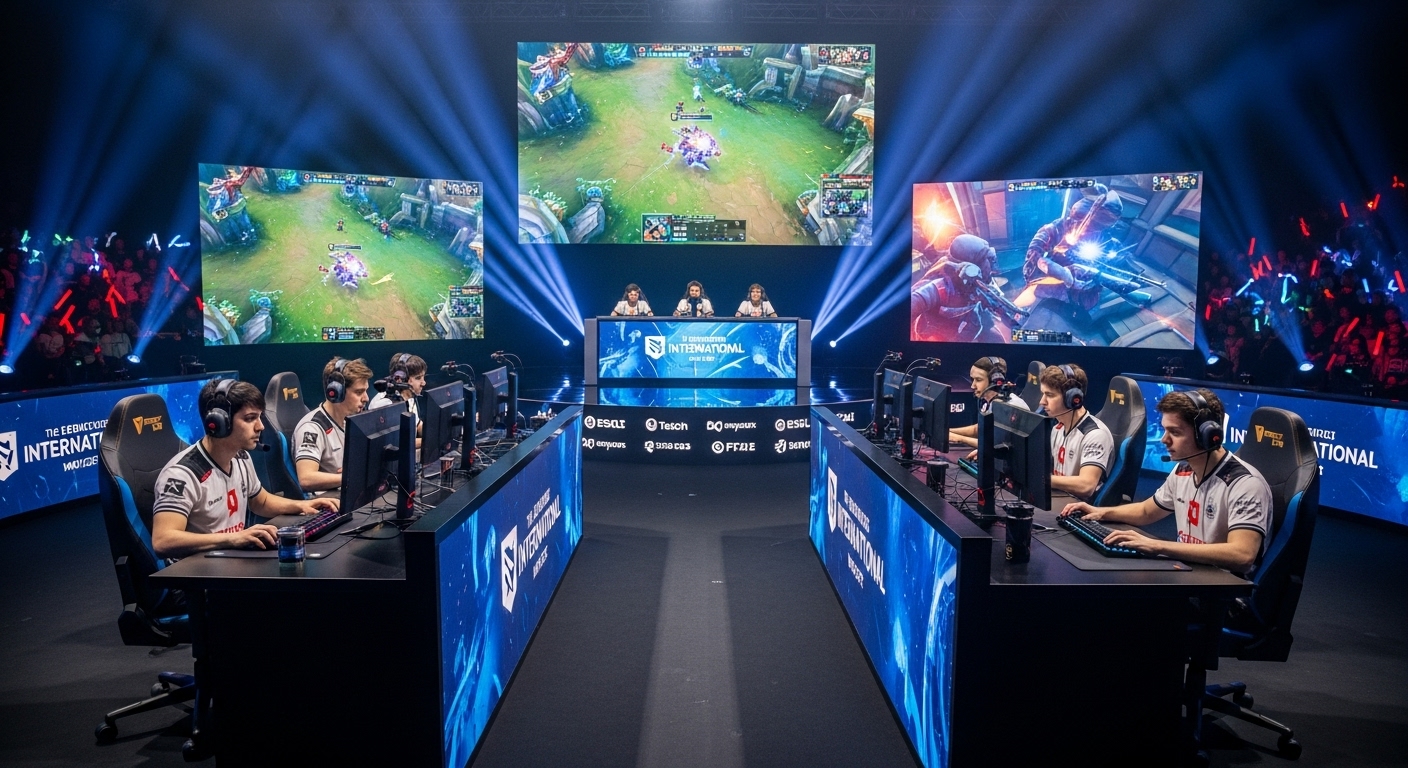
This era also saw the rise of competitive gaming, or esports, where professional players competed in tournaments with massive prize pools. What was once a hobby for many became a career for a select few, as esports organizations and sponsors began to invest in talent and infrastructure.
The Next Frontier: Virtual Reality and Augmented Reality
In recent years, the gaming industry has shifted its focus to new, cutting-edge technologies such as virtual reality (VR) and augmented reality (AR). These immersive technologies promise to take gaming experiences to a whole new level, offering players a chance to engage with their games in ways previously thought impossible.
Virtual reality, with its fully immersive environments, allows players to step into their games, interacting with characters and worlds in a 360-degree space. Titles like Half-Life: Alyx and Beat Saber have demonstrated the potential of VR, while platforms like the Oculus Rift and PlayStation VR continue to push the technology forward.
Augmented reality, which blends digital elements with the real world, has also made waves in gaming. The most notable example is Pokémon GO, which allowed players to catch Pokémon in real-world locations using their mobile phones. The success of AR games has shown that there is a growing interest in gaming experiences that integrate the digital and physical worlds.
Mobile Gaming: Gaming in Your Pocket
As smartphones became more powerful, mobile gaming took off in a big way. Today, mobile games generate billions of dollars annually and attract millions of players. Games like Clash of Clans, Candy Crush Saga, and PUBG Mobile have made gaming accessible to people of all ages, regardless of location or platform.
Mobile gaming has also introduced new business models, such as free-to-play and in-app purchases, which have changed the way developers approach game design and monetization. While some players enjoy the convenience of mobile gaming, others criticize the prevalence of microtransactions and “pay-to-win” mechanics. Nevertheless, the popularity of mobile games cannot be denied, as they offer quick, casual experiences for players on the go.
Gaming’s Cultural Impact: Beyond the Screen
Video games are no longer just a form of entertainment; they’ve become a cultural force. Game developers now craft stories, music, and characters with the same level of care and attention as in traditional film and literature. Characters like Mario, Lara Croft, and Master Chief have become icons, transcending their digital origins to appear in movies, TV shows, and merchandise.
Gaming has also created a new form of social interaction. With the advent of streaming platforms like Twitch and YouTube, gamers can share their experiences with a global audience. Streamers and content creators have built massive followings, turning their passion for gaming into a career. Esports, too, has evolved into a mainstream entertainment industry, with large-scale tournaments attracting millions of viewers worldwide.
Additionally, games have been used as platforms for activism and social change. Titles like Celeste and The Last of Us Part II tackle important social issues, such as mental health and LGBTQ+ representation, sparking discussions about the role of video games in reflecting and shaping society.
Looking Ahead: The Future of Gaming
The future of gaming holds exciting possibilities. As technology continues to advance, we can expect even more immersive and interactive experiences. Artificial intelligence, for example, could create dynamic, responsive worlds where every decision you make has a real impact on the story. Cloud gaming platforms like Google Stadia and Xbox Cloud Gaming are pushing the idea of gaming as a service, allowing players to stream high-quality games without the need for expensive hardware.
We’re also seeing the rise of subscription-based gaming services, like Xbox Game Pass and PlayStation Plus, which offer access to a large library of games for a fixed monthly fee. This model has the potential to change the way we consume games, making them more accessible to players without requiring a hefty upfront investment.
Moreover, advancements in graphics and animation will continue to push the boundaries of what’s possible, making virtual worlds even more realistic and immersive. With the rise of AI-driven storytelling and procedural generation, we could see more dynamic, personalized narratives that adapt to players’ choices in real time.
Conclusion: The Unstoppable Growth of Gaming
From its humble beginnings in arcades to the immersive worlds of VR and AR, gaming has come a long way. What started as a simple pastime has evolved into a global industry that influences culture, technology, and social interaction. As gaming technology continues to advance, we can only imagine what the future holds. One thing is certain: the journey of gaming is far from over, and the best is yet to come.