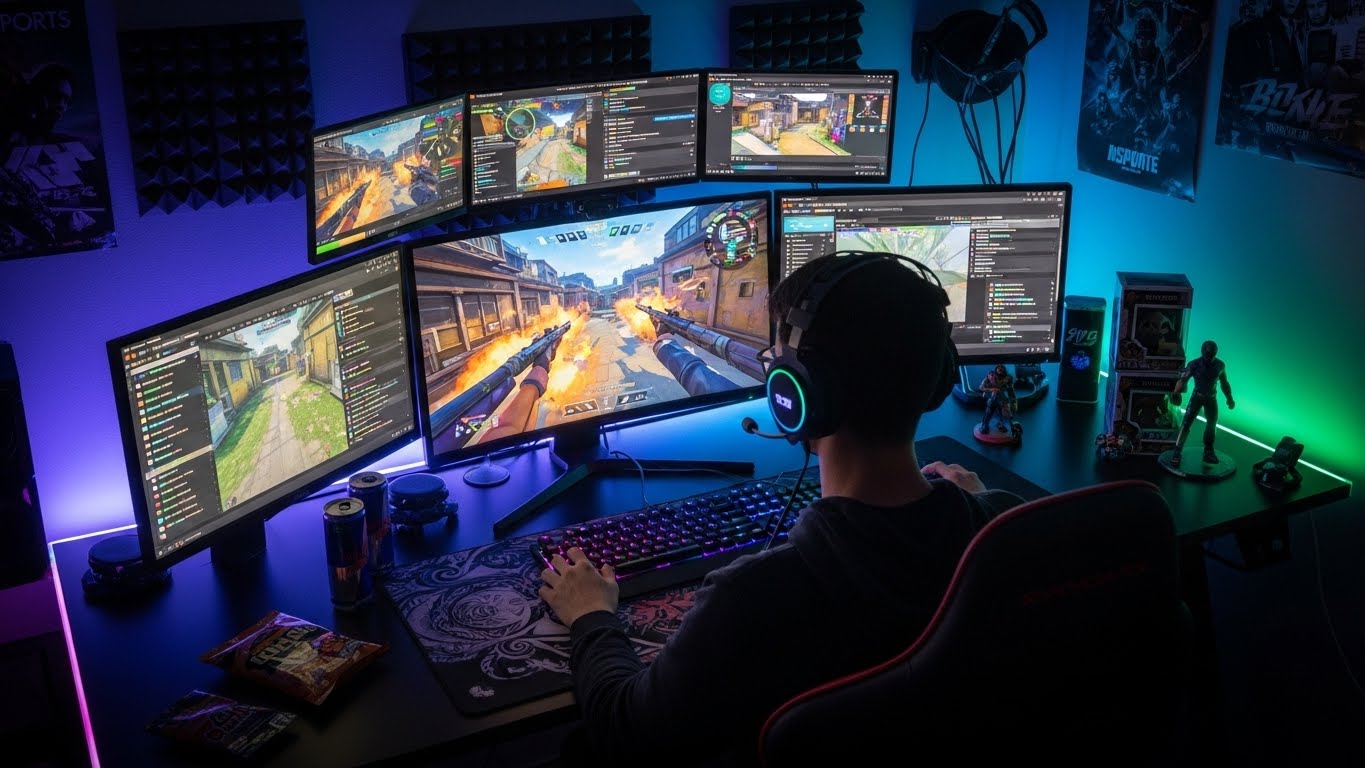
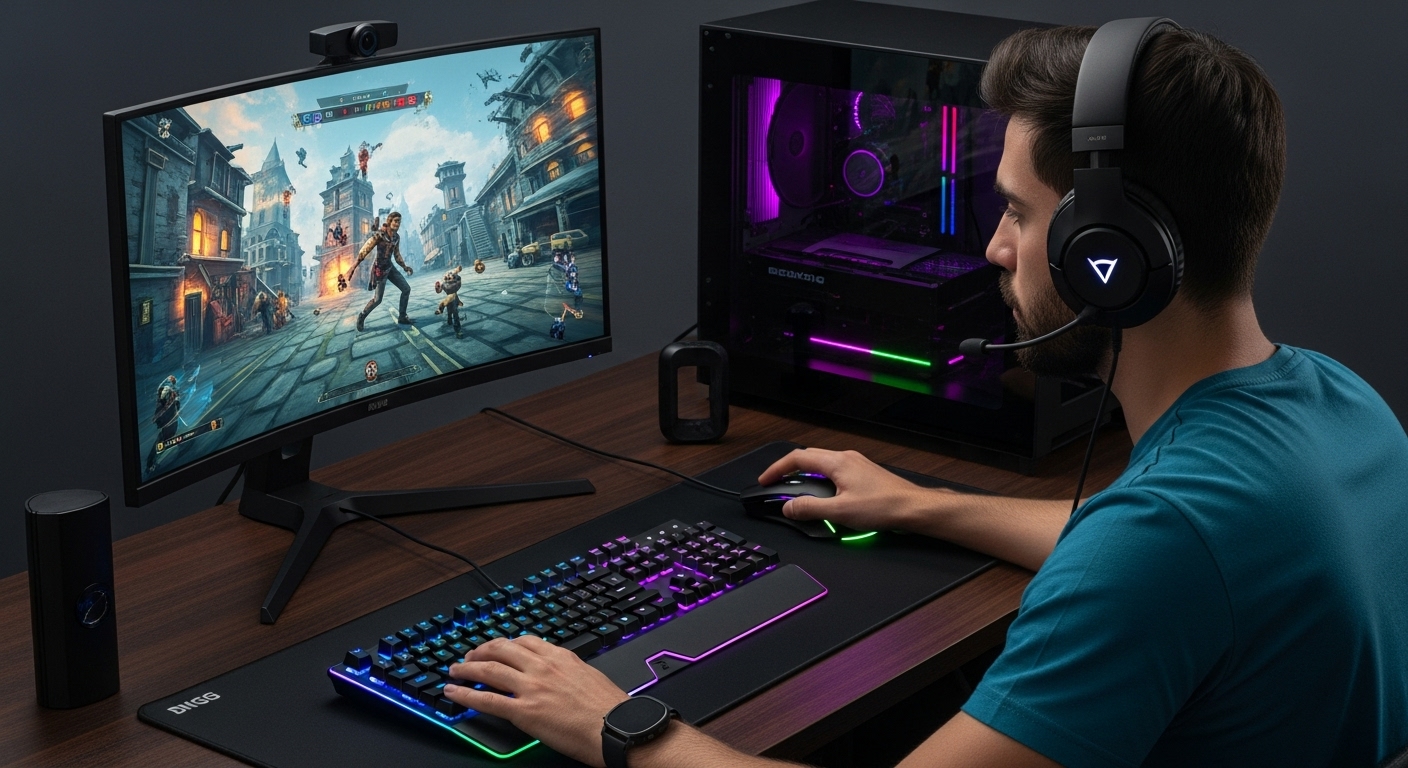
Gaming has evolved from a niche hobby into a global phenomenon that influences culture, technology, and daily life. Once limited to simple consoles and arcade machines, gaming now spans immersive virtual worlds, competitive esports, and interactive storytelling experiences. In today’s digital era, gaming is more than a pastime; it is a lifestyle, a form of art, and a tool for connection. This blog explores how gaming has transformed entertainment, its cultural impact, its benefits, and what the future holds for this dynamic industry.
The Evolution of Gaming
Gaming has come a long way since the early days of Pong and Pac-Man. In the 1980s and 1990s, home consoles and arcade machines dominated the scene. Players were limited by hardware capabilities, but the thrill of achieving high scores and beating friends created a dedicated community. As technology advanced, graphics, gameplay mechanics, and storytelling became increasingly sophisticated, giving birth to immersive experiences that captivate millions worldwide.
The introduction of personal computers and the internet further transformed gaming. Online multiplayer games allowed players to compete or collaborate across continents. Social gaming platforms and cloud-based services made gaming accessible to anyone with a device and an internet connection. The rise of mobile gaming also brought gaming to the pockets of millions, turning short breaks into opportunities for adventure and challenge.
Gaming as a Social Experience
Modern gaming is not just about playing alone; it is a social experience. Multiplayer games, online communities, and streaming platforms have connected players in unprecedented ways. Games like battle royales, cooperative adventures, and team-based competitions foster collaboration, strategy, and friendship. Players communicate via voice chat, share tips, and even form long-lasting relationships.
Streaming platforms have added another dimension to social gaming. Gamers can broadcast their gameplay to millions of viewers, creating interactive experiences where audiences influence decisions, celebrate victories, or provide real-time feedback. This has turned gaming into a shared entertainment medium, where watching and participating are intertwined.
The Rise of Esports
Competitive gaming, or esports, has transformed gaming into a professional sport. Tournaments with prize pools reaching millions of dollars attract professional players and massive audiences. Esports competitions are broadcast globally, with fan communities rivaling those of traditional sports.
Esports has not only elevated the status of gaming but also created career opportunities for players, coaches, analysts, and content creators. Professional gamers train rigorously, strategize with teams, and cultivate fan bases, showcasing that gaming can be as serious and competitive as any traditional sport.
Storytelling in Games
Gaming has emerged as a powerful storytelling medium. Unlike passive forms of entertainment such as movies or books, video games allow players to participate in the narrative. Players make choices that influence outcomes, explore vast worlds, and experience stories from unique perspectives.
From epic adventures to emotional dramas, games offer narratives that rival films and literature. Developers use cinematic techniques, rich character development, and interactive gameplay to create experiences that are deeply engaging and emotionally resonant. Players are not just observers—they are active participants in the story.
Gaming and Technology Innovation
The gaming industry has driven technological innovation across multiple fields. High-performance graphics, artificial intelligence, and virtual reality have pushed the boundaries of immersive experiences. VR and AR games allow players to interact with digital worlds in ways previously unimaginable, creating new forms of entertainment and learning.
Additionally, gaming has contributed to advancements in hardware, cloud computing, and streaming technology. These innovations not only enhance the gaming experience but also have applications in education, healthcare, and professional training. Gaming has become a catalyst for broader technological progress.
Mobile Gaming and Accessibility
The proliferation of smartphones has made gaming more accessible than ever. Mobile games reach billions of people worldwide, offering quick, engaging experiences for casual and hardcore players alike. Mobile gaming has diversified the gaming audience, bringing in players of all ages, genders, and backgrounds.
Accessibility features in modern games also ensure that players with disabilities can participate. Adjustable controls, visual aids, and customizable difficulty levels allow everyone to enjoy gaming. This inclusivity has helped gaming evolve into a global cultural phenomenon that unites people from all walks of life.
Cultural Impact of Gaming
Gaming has a significant cultural impact. It influences music, fashion, language, and social behavior. Popular games inspire memes, art, and fan communities. Iconic characters, soundtracks, and in-game events shape trends and conversations around the world.
Gaming also serves as a platform for social commentary and cultural exploration. Developers tackle important issues such as mental health, climate change, diversity, and social justice through immersive storytelling. Players engage with these themes while enjoying gameplay, creating a meaningful connection between entertainment and real-world awareness.
Mental and Cognitive Benefits
Beyond entertainment, gaming offers mental and cognitive benefits. Strategy games improve problem-solving skills, hand-eye coordination, and decision-making. Puzzle and role-playing games enhance creativity and critical thinking. Multiplayer and team-based games foster collaboration, communication, and leadership skills.
Gaming can also serve as a stress reliever. Immersive gameplay provides an escape from everyday pressures, allowing players to relax, recharge, and experience joy. For many, gaming is a therapeutic outlet that promotes mental well-being.
Challenges in the Gaming World
Despite its many benefits, gaming faces challenges. Addiction and excessive screen time are common concerns. It is important for players to balance gaming with physical activity, social interactions, and responsibilities. Developers are increasingly focusing on promoting healthy gaming habits, such as break reminders and time management features.
The industry also faces challenges related to diversity and representation. While progress has been made, some games still struggle to reflect the diversity of their global audience. Inclusive storytelling and character representation are essential for making gaming a welcoming environment for all.
The Future of Gaming
The future of gaming promises even greater innovation and immersion. Artificial intelligence may allow games to adapt dynamically to player behavior, creating personalized experiences. Virtual reality and augmented reality will continue to blur the lines between real and digital worlds. Cloud gaming will make high-quality experiences accessible without expensive hardware, opening new opportunities for players everywhere.
Gaming will also continue to integrate with other forms of entertainment. Interactive movies, gamified education, and immersive live events are just a few examples of how gaming can expand its reach. The boundaries between games, films, music, and social media will continue to blur, creating a unified entertainment ecosystem.
Conclusion: Gaming as a Cultural Force
Gaming is no longer just a hobby; it is a cultural force that shapes technology, storytelling, and human connection. It offers entertainment, education, and social interaction, all while inspiring creativity and innovation. From casual mobile games to professional esports, gaming provides experiences that are as diverse as the players themselves.
As the industry continues to evolve, one thing remains clear: gaming is here to stay. It has redefined entertainment, created global communities, and offered a platform for human imagination to thrive. Whether playing alone, with friends, or as part of a competitive team, gaming invites us to explore new worlds, challenge ourselves, and experience the joy of interactive storytelling. It is more than a pastime—it is a way of life, a celebration of creativity, and a testament to the limitless potential of human imagination.