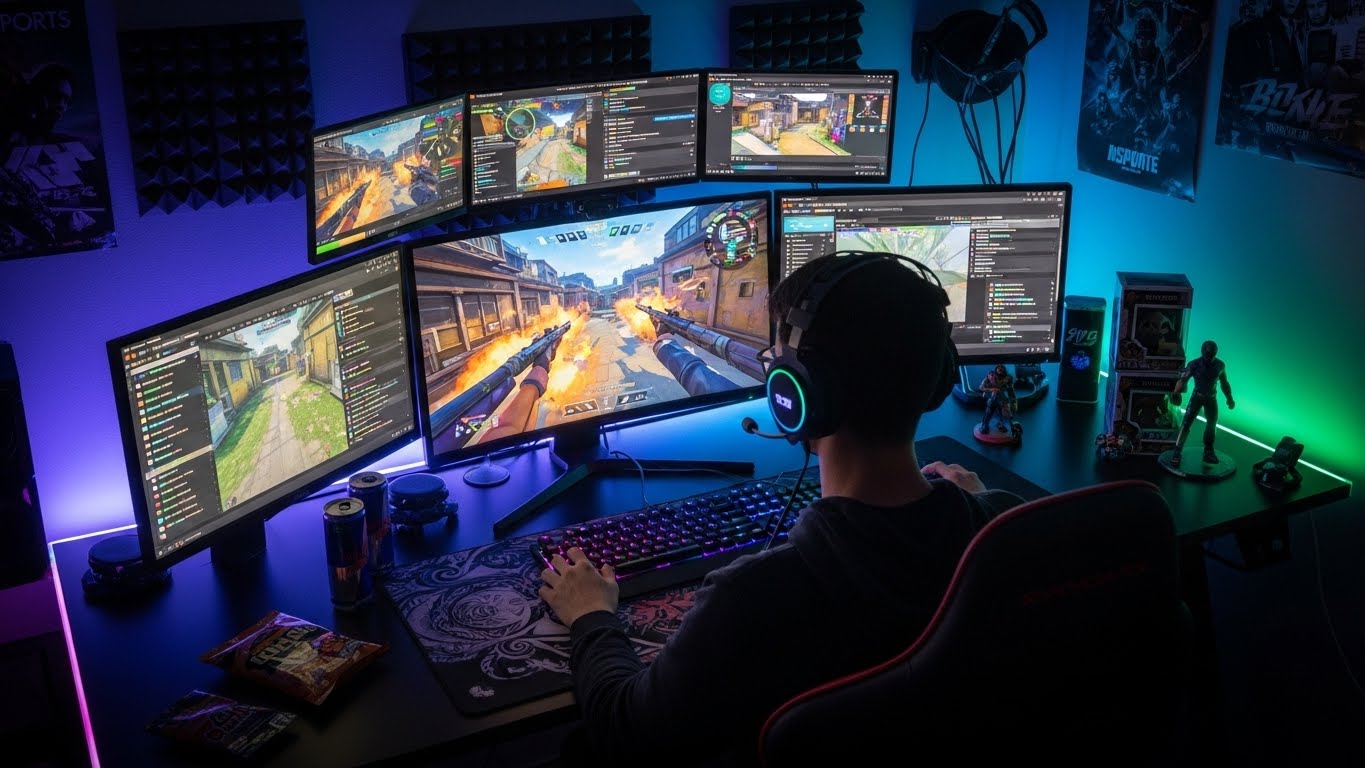

Gaming has transformed from a niche pastime into a major cultural and economic force. Once confined to arcades and home consoles, it now spans personal computers, mobile devices, and virtual reality platforms. Gaming is no longer just entertainment; it has become a way to connect, learn, compete, and even build careers. This blog explores the evolution of gaming, its social and cultural impact, technological advancements, and the ways it continues to shape modern society.
The Evolution of Gaming
The history of gaming stretches back decades, beginning with simple arcade games in the 1970s like Pong and Space Invaders. These games captured the imagination of players with simple mechanics, high scores, and competitive spirit. The 1980s and 1990s saw the rise of home consoles such as the Nintendo Entertainment System and Sega Genesis, which brought gaming into households worldwide.
The late 1990s and early 2000s marked the rise of PC gaming and online multiplayer games. Titles like Counter-Strike, StarCraft, and World of Warcraft introduced competitive and cooperative gameplay on a global scale. The advent of mobile gaming in the 2010s expanded accessibility, allowing millions to play games on smartphones and tablets. Today, gaming spans consoles, PCs, mobile devices, and emerging platforms like virtual reality and cloud gaming, making it a truly ubiquitous form of entertainment.
Gaming as a Form of Entertainment
Gaming offers a unique form of entertainment that combines interactivity, storytelling, and competition. Unlike traditional media such as movies or books, games require active participation, giving players agency over the experience. Immersive narratives, realistic graphics, and interactive mechanics create engaging worlds that captivate players for hours.
Gaming also caters to diverse tastes. Action, adventure, role-playing, simulation, strategy, and sports games provide options for every type of player. The ability to choose how to play, explore virtual worlds, and overcome challenges makes gaming a dynamic and personalized form of entertainment that continues to evolve with technology.
Social Interaction and Community
One of gaming’s most transformative aspects is its social dimension. Multiplayer games foster collaboration, competition, and communication. Players form teams, develop strategies, and build friendships across geographic boundaries. Online communities, forums, and streaming platforms allow players to share experiences, tips, and fan content, creating vibrant social ecosystems.
Esports has elevated gaming to a spectator sport, where millions of fans follow professional tournaments and players. Competitive gaming leagues and world championships provide shared experiences similar to traditional sports, cultivating fan communities and creating a sense of belonging among players and spectators alike.
Cognitive and Skill Development
Gaming is not only entertaining but also educational in many ways. Strategy games, puzzles, and role-playing games enhance problem-solving, critical thinking, and decision-making skills. Fast-paced action games improve hand-eye coordination, reflexes, and spatial awareness. Multiplayer games teach teamwork, leadership, and communication skills.
Studies suggest that certain types of games can enhance cognitive flexibility, memory retention, and multitasking ability. Gamers often demonstrate strong analytical thinking, strategic planning, and adaptability—skills that translate to real-life scenarios in education, careers, and personal development.
Gaming and Technology
The growth of gaming is deeply intertwined with technological innovation. Advancements in graphics, processing power, artificial intelligence, and virtual reality have transformed games into highly immersive experiences. Realistic physics engines, detailed character animations, and interactive environments create lifelike worlds that blur the line between reality and fantasy.
Cloud gaming and streaming technology have further expanded access, enabling players to stream high-quality games without requiring expensive hardware. Virtual reality (VR) and augmented reality (AR) introduce new dimensions of interaction, allowing players to physically move, interact, and explore in ways previously impossible. Technology ensures that gaming continues to push creative and experiential boundaries.
Cultural Impact of Gaming
Gaming has become a central element of modern culture. Popular game franchises influence fashion, music, art, and storytelling. Characters from games become icons, inspiring fan art, cosplay, and merchandise. Gaming culture is now celebrated through conventions, tournaments, and online communities, creating shared cultural touchpoints for millions worldwide.
Games also explore complex narratives, social themes, and moral dilemmas, contributing to cultural discussions and creative expression. They allow players to experience perspectives and scenarios beyond their everyday lives, fostering empathy, understanding, and cultural literacy.
Economic Impact of Gaming
The gaming industry is a major economic force, generating billions of dollars annually through game sales, in-game purchases, subscriptions, merchandise, and esports tournaments. Professional gaming careers, game development, streaming, and content creation provide livelihoods for millions globally.
The rise of indie games and digital distribution platforms has democratized game development, allowing small studios and individual developers to reach global audiences. Innovation, creativity, and entrepreneurship thrive in the gaming ecosystem, making it a significant contributor to the global economy and technological progress.
Gaming and Education
Gaming is increasingly recognized as a tool for learning and skill development. Educational games teach subjects like mathematics, history, and science through interactive and engaging methods. Simulations and strategy games provide practical experiences in problem-solving, planning, and decision-making.
Gamification—the application of game design elements in non-gaming contexts—is also used in classrooms, workplaces, and training programs. It enhances motivation, engagement, and learning outcomes by applying gaming principles to real-world challenges, making education more interactive and effective.
Health and Well-Being
While gaming is often associated with sedentary behavior, it can have positive effects on mental and emotional well-being. Playing games provides stress relief, relaxation, and a sense of achievement. Social gaming fosters connection and community, reducing feelings of isolation.
However, balance is crucial. Excessive gaming can lead to negative consequences such as physical inactivity, sleep disruption, or addiction. Responsible gaming, coupled with physical activity and social interaction, ensures that gaming remains a healthy and enriching activity.
The Rise of Esports
Esports has transformed competitive gaming into a global spectacle. Professional players, teams, and leagues compete in tournaments with prize pools that reach millions of dollars. Esports combines skill, strategy, teamwork, and entertainment, attracting millions of viewers and fans worldwide.
Esports has also created opportunities for careers in coaching, broadcasting, event management, and content creation. It has established a professional ecosystem that mirrors traditional sports, elevating gaming to a recognized and respected form of competition.
Gaming and Creativity
Gaming fosters creativity in players and developers alike. Game design involves storytelling, art, music, and interactive mechanics, blending multiple creative disciplines. Players also exercise creativity through world-building, character customization, and problem-solving within games.
Sandbox games and open-world experiences allow players to experiment, explore, and create unique experiences. This interactive creativity encourages innovation, imagination, and critical thinking, making gaming not just entertainment but a platform for artistic expression.
The Future of Gaming
The future of gaming is poised for extraordinary growth. Advancements in artificial intelligence, virtual reality, augmented reality, and cloud gaming will redefine how games are played, experienced, and shared. Games will become more immersive, interactive, and socially connected, offering experiences that transcend current limitations.
Integration with education, healthcare, and professional training will expand the utility of games beyond entertainment. Gaming will continue to influence culture, technology, and social interaction, becoming an essential aspect of everyday life and human experience.
Conclusion: Gaming as a Cultural and Technological Force
Gaming has evolved from a simple form of entertainment into a complex, multifaceted cultural and technological phenomenon. It entertains, educates, and connects people across the globe. Gaming enhances cognitive skills, fosters creativity, and creates economic opportunities while influencing culture, technology, and society.
Whether through immersive storytelling, competitive esports, social interaction, or innovative gameplay, gaming has become an integral part of modern life. It reflects the creativity, curiosity, and ingenuity of humanity, shaping the present and inspiring the future. Gaming is more than a pastime—it is a dynamic digital playground where imagination, skill, and community come together to create experiences that are meaningful, transformative, and endlessly engaging.