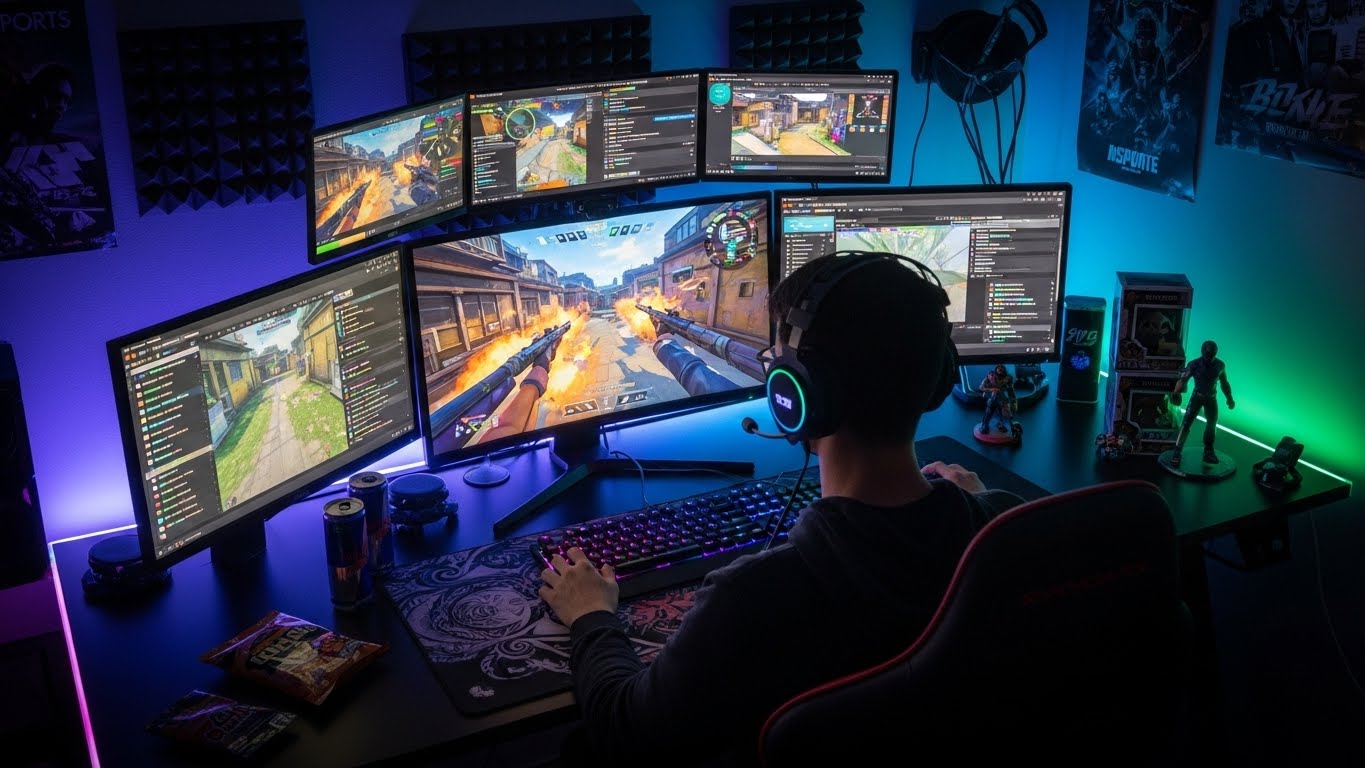

Introduction: Gaming Beyond Entertainment
Gaming is often seen as a pastime, a way to escape the pressures of daily life. Yet, it has grown into a global phenomenon that influences culture, technology, and human behavior. From simple pixelated games in the 1980s to immersive virtual worlds today, gaming has evolved into a powerful medium of storytelling, social connection, and skill development. It is not just a hobby; it has become an industry, a culture, and a lifestyle that reflects human creativity and ingenuity.
The Evolution of Gaming
The history of gaming is a story of constant innovation. Early games were simple, often limited to basic graphics and mechanics. Arcade machines and console games became the first major platforms that brought gaming to the public. The 1990s introduced multiplayer gaming and more sophisticated narratives. Today, games are immersive experiences, blending advanced graphics, artificial intelligence, and expansive open worlds. Mobile gaming has also revolutionized accessibility, allowing people from all walks of life to engage with interactive entertainment anytime, anywhere.
Gaming as a Cultural Phenomenon
Gaming is more than individual entertainment; it has become a cultural force. Communities form around popular titles, creating social networks both online and offline. Esports tournaments attract millions of viewers worldwide, turning players into celebrities and fans into active participants. Games often reflect cultural values, historical events, and societal issues, making them a form of storytelling and artistic expression. Through gaming, individuals share experiences, ideas, and creativity, forming a culture that is as dynamic and diverse as the players themselves.
Cognitive Benefits of Gaming
Contrary to outdated stereotypes, gaming can enhance cognitive skills. Many games require problem-solving, strategic thinking, and decision-making under pressure. Puzzle-based games improve critical thinking, while strategy and simulation games develop planning and resource management skills. Fast-paced action games can enhance reflexes and hand-eye coordination. Role-playing games encourage creative thinking and long-term strategy. The interactive nature of gaming stimulates the brain in ways traditional media cannot, blending entertainment with mental exercise.
Social Connections Through Gaming
One of the most impactful aspects of gaming is its ability to connect people. Online multiplayer games allow players to collaborate, compete, and communicate with others around the globe. Virtual communities provide a sense of belonging, especially for individuals who may struggle with social interactions in real life. Gaming fosters teamwork, leadership, and conflict resolution skills, as players coordinate strategies and make collective decisions. Social bonds formed in virtual worlds often extend into real-world friendships, bridging distances and cultural divides.
Gaming and Emotional Resilience
Games challenge players, often placing them in situations where failure is inevitable. This environment teaches persistence, resilience, and the ability to cope with setbacks. Players learn to analyze mistakes, adapt strategies, and try again, developing a growth mindset that can translate into other areas of life. Furthermore, immersive narratives allow players to experience empathy, explore emotions, and understand different perspectives, creating opportunities for personal development and emotional intelligence.
The Rise of Esports and Professional Gaming
The gaming industry has given rise to esports, where players compete professionally for recognition and financial rewards. Esports tournaments fill arenas, draw millions of online viewers, and attract sponsorship deals comparable to traditional sports. Professional gaming requires discipline, training, and teamwork, challenging the notion that gaming is purely recreational. The rise of esports has also created career opportunities beyond playing, including coaching, event management, broadcasting, and content creation, reflecting the growing influence of gaming on the global economy.
Gaming and Technological Innovation
Gaming has often been at the forefront of technological advancement. High-performance graphics, artificial intelligence, virtual reality, and cloud computing have all advanced rapidly due to gaming demands. Developers experiment with immersive storytelling, interactive mechanics, and realistic simulations, pushing the boundaries of technology. Innovations from gaming often influence other sectors, including education, healthcare, and engineering, demonstrating that gaming is more than entertainment—it is a laboratory for technological progress.
Education and Learning Through Games
Games are increasingly recognized as effective educational tools. Educational games teach subjects like mathematics, history, and science through engaging, interactive experiences. Simulation games help learners understand complex systems and practice real-world scenarios in a risk-free environment. Gamification in education motivates students, promotes active learning, and encourages problem-solving. By combining entertainment and education, games create opportunities for lifelong learning in ways traditional methods often cannot.
Challenges and Criticisms of Gaming
Despite its benefits, gaming is not without challenges. Excessive gaming can lead to physical health issues, social isolation, and negative impacts on mental well-being. Certain games may expose players to violent or inappropriate content, raising concerns about influence on behavior. Moreover, gaming addiction is a growing issue that requires awareness, moderation, and guidance. Balancing gaming with other aspects of life is essential to ensure that its benefits outweigh potential drawbacks.
Gaming as an Art Form
Modern games are increasingly recognized as artistic expressions. Visual design, music, storytelling, and interactive mechanics combine to create immersive experiences that rival traditional forms of art. Developers craft worlds, characters, and narratives that evoke emotions, provoke thought, and inspire creativity. Games offer players a unique form of participation, allowing them to influence outcomes and explore stories at their own pace. This interactive artistry sets gaming apart, making it a medium that is both personal and universal.
The Future of Gaming
The future of gaming promises even deeper immersion, connectivity, and creativity. Virtual reality, augmented reality, and mixed reality are transforming the way players interact with digital worlds. Artificial intelligence will enable more adaptive and personalized experiences, creating worlds that respond intelligently to player choices. The boundaries between gaming, social media, education, and work will continue to blur, reflecting the expanding role of gaming in everyday life. The future holds endless possibilities for innovation, entertainment, and human connection.
Conclusion: Gaming as a Catalyst for Growth
Gaming is far more than a pastime; it is a dynamic force shaping culture, technology, and human development. It enhances cognitive skills, fosters social connections, and provides opportunities for professional growth. It challenges players to develop resilience, creativity, and empathy, proving that interactive entertainment has meaningful impact beyond the screen. As gaming continues to evolve, it will remain a catalyst for innovation, education, and cultural exchange, enriching lives and connecting people in ways that were once unimaginable. The journey through games is not just about leveling up in a virtual world—it is about leveling up in life itself.