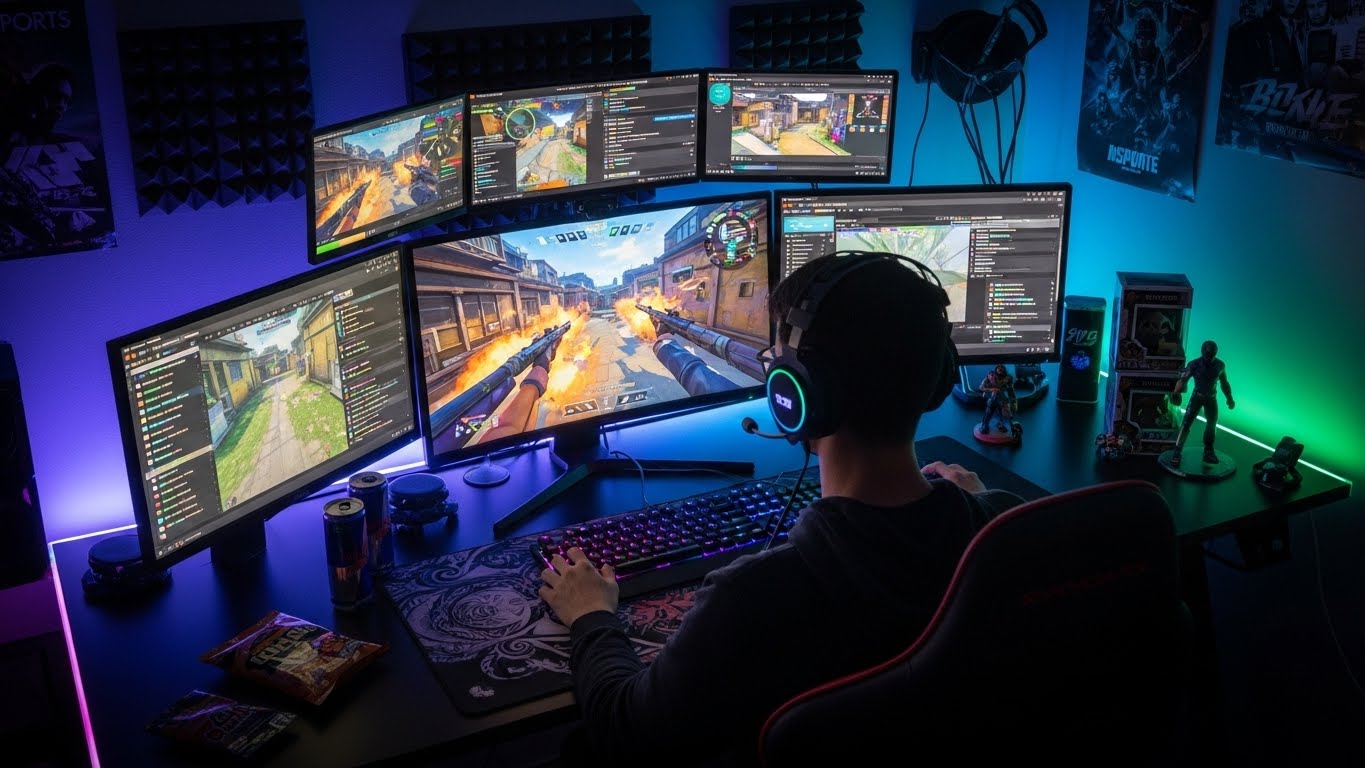

Gaming has transformed dramatically over the past few decades. From the simple, pixelated arcade games of the 1980s to today’s sprawling, immersive universes, gaming has become one of the most influential forms of entertainment in modern culture. It is no longer just a pastime but a medium that combines storytelling, artistry, strategy, and social interaction in ways that few other mediums can achieve. This blog post explores the multifaceted world of gaming, highlighting its evolution, innovation, and the experiences that make it truly unique.
The Evolution of Gaming
The history of gaming is a fascinating journey of creativity and technological advancement. Early video games like Pong and Space Invaders captured the imagination of players around the world, demonstrating the potential of interactive entertainment. These games were simple in design but revolutionary in concept.
As technology progressed, gaming evolved rapidly. The introduction of home consoles, personal computers, and handheld devices expanded accessibility and variety. Modern games now feature intricate graphics, complex narratives, and intelligent artificial intelligence that adapts to player behavior. This evolution reflects the broader trend of gaming as an art form, a storytelling medium, and a tool for human connection.
Immersive Worlds and Open-World Gaming
One of the most appealing aspects of modern gaming is immersion. Players can step into richly detailed worlds that feel alive, interactive, and expansive. Open-world games like The Legend of Zelda: Breath of the Wild and Red Dead Redemption 2 exemplify this immersive quality. Players are free to explore vast landscapes, interact with dynamic characters, and engage with systems that respond to their choices.
The allure of immersive worlds lies not just in their beauty but in the sense of freedom and discovery they provide. Players can embark on epic quests, encounter unexpected events, and create their own stories within these digital realms. Immersive gaming allows players to escape reality while simultaneously exercising creativity, curiosity, and problem-solving skills.
Puzzle Games and Strategic Challenges
While action and adventure games often dominate headlines, puzzle and strategy games have a dedicated following for a reason. These games challenge the mind, encouraging players to think critically, analyze patterns, and plan ahead. Titles such as Portal, Baba Is You, and Civilization require players to approach challenges with ingenuity, patience, and foresight.
Puzzle games highlight the intellectual potential of gaming. They offer a different type of satisfaction than reflex-based games, rewarding creativity and logical thinking. Strategy games, on the other hand, test decision-making, resource management, and long-term planning. Together, these genres demonstrate that gaming can be as intellectually engaging as it is entertaining.
Narrative-Driven Experiences
Storytelling has become a central aspect of gaming, with narrative-driven games providing experiences that rival literature and cinema. Games like Life is Strange and The Last of Us immerse players in emotionally charged narratives where choices matter. Players form deep connections with characters, experience moral dilemmas, and feel the consequences of their decisions.
Interactive storytelling transforms players into active participants rather than passive observers. Each choice can alter the outcome of the story, creating a unique and personal experience. Narrative-driven games prove that gaming is more than just play—it can be an emotionally resonant art form that explores themes of love, loss, morality, and human nature.
Multiplayer Gaming and Social Interaction
Gaming is not only an individual experience; it can also be intensely social. Multiplayer games create communities, foster teamwork, and encourage competition. Games such as Among Us, Fortnite, and Valorant emphasize collaboration, strategy, and unpredictability, making social interaction a core part of gameplay.
The social dimension of gaming is powerful. Players form alliances, compete against rivals, and create shared memories that extend beyond the screen. Multiplayer games offer a platform for communication, cooperation, and even lifelong friendships, demonstrating that gaming can connect people across cultures and continents.
The Rise of Indie Games
Independent game developers, or indie developers, have dramatically shaped the gaming landscape by pushing creative boundaries. Unlike large studios, indie developers often experiment with unconventional mechanics, unique storytelling, and niche genres. Games like Celeste, Hollow Knight, and Stardew Valley showcase innovation, artistic vision, and emotional depth.
Indie games remind us that gaming is not solely about high budgets or blockbuster franchises. They celebrate creativity, originality, and personal expression. Many indie games focus on themes often overlooked by mainstream titles, offering players fresh perspectives and memorable experiences.
Artistic and Musical Expression in Games
Some games transcend traditional entertainment, combining art and music to create immersive sensory experiences. Titles such as Gris and Sayonara Wild Hearts showcase stunning visuals, creative level design, and captivating soundtracks. These games prioritize emotion, aesthetic appeal, and artistic expression, offering players experiences that are both visually and aurally remarkable.
Artistic games prove that gaming can be a medium of creative expression. They engage players on multiple sensory levels, evoking emotions that go beyond typical gameplay. The integration of music, color, and movement demonstrates that games can be both entertainment and art simultaneously.
Virtual Reality: Stepping Into the Game
Virtual reality (VR) is transforming the gaming experience by creating unparalleled immersion. VR games like Beat Saber and Half-Life: Alyx allow players to physically interact with digital worlds, offering a sense of presence that traditional gaming cannot replicate. Players can move, manipulate objects, and feel as though they are truly part of the game world.
The rise of VR highlights the potential for gaming to continually innovate. It challenges both developers and players to think differently about interaction, engagement, and experience. As VR technology improves, these immersive experiences will become even more realistic, opening new frontiers in storytelling, gameplay, and social interaction.
Educational Gaming and Cognitive Benefits
Gaming is increasingly recognized as a tool for learning and cognitive development. Educational games combine entertainment with knowledge acquisition, making complex concepts accessible and engaging. Games like Kerbal Space Program and Human Resource Machine teach physics, engineering, and programming in interactive and enjoyable ways.
Beyond formal education, gaming can enhance critical thinking, problem-solving, memory, and strategic skills. It encourages experimentation, adaptability, and perseverance, qualities that extend beyond the digital realm. Educational and brain-training games demonstrate that gaming is not only fun but also intellectually rewarding.
Relaxation and Mindfulness in Gaming
Not all games are about competition or challenge. Many games focus on relaxation, mindfulness, and stress relief. Games like Animal Crossing, Stardew Valley, and Journey offer calm, meditative experiences that allow players to engage at their own pace. Players can build, explore, and interact without the pressure of time limits or high stakes.
These games highlight the therapeutic potential of gaming. They provide a safe space for reflection, creativity, and emotional balance. In a world filled with stress and constant demands, such gaming experiences offer mental clarity, relaxation, and personal fulfillment.
The Future of Gaming
The future of gaming promises exciting innovations and endless possibilities. Advancements in artificial intelligence, cloud gaming, procedural generation, and interactive storytelling are transforming the landscape. Games will become more adaptive, personalized, and immersive, offering experiences tailored to individual players.
We can expect new genres, novel mechanics, and even deeper social integration. Gaming is evolving from a hobby into a comprehensive cultural and artistic phenomenon. As technology and creativity advance, games will continue to surprise, challenge, and inspire players around the world.
Conclusion: Embracing the Magic of Gaming
Gaming is no longer just a form of entertainment. It is a cultural force that blends creativity, storytelling, art, strategy, and human connection. From immersive worlds and narrative-driven adventures to puzzle challenges, social interactions, and indie innovations, gaming offers something for everyone.
By exploring the world of gaming, players gain intellectual stimulation, emotional resonance, and unforgettable experiences. It is a medium that entertains, inspires, and challenges in equal measure. Gaming is a journey, an adventure, and a form of expression that continues to evolve, pushing the boundaries of imagination and creativity.
In embracing gaming, we celebrate not only technology but also the human capacity for storytelling, creativity, and connection. It is an interactive art form, a playground for the mind, and a bridge between people. Gaming is more than a pastime—it is an odyssey that continues to expand, innovate, and inspire.