The Rise of Gaming Culture
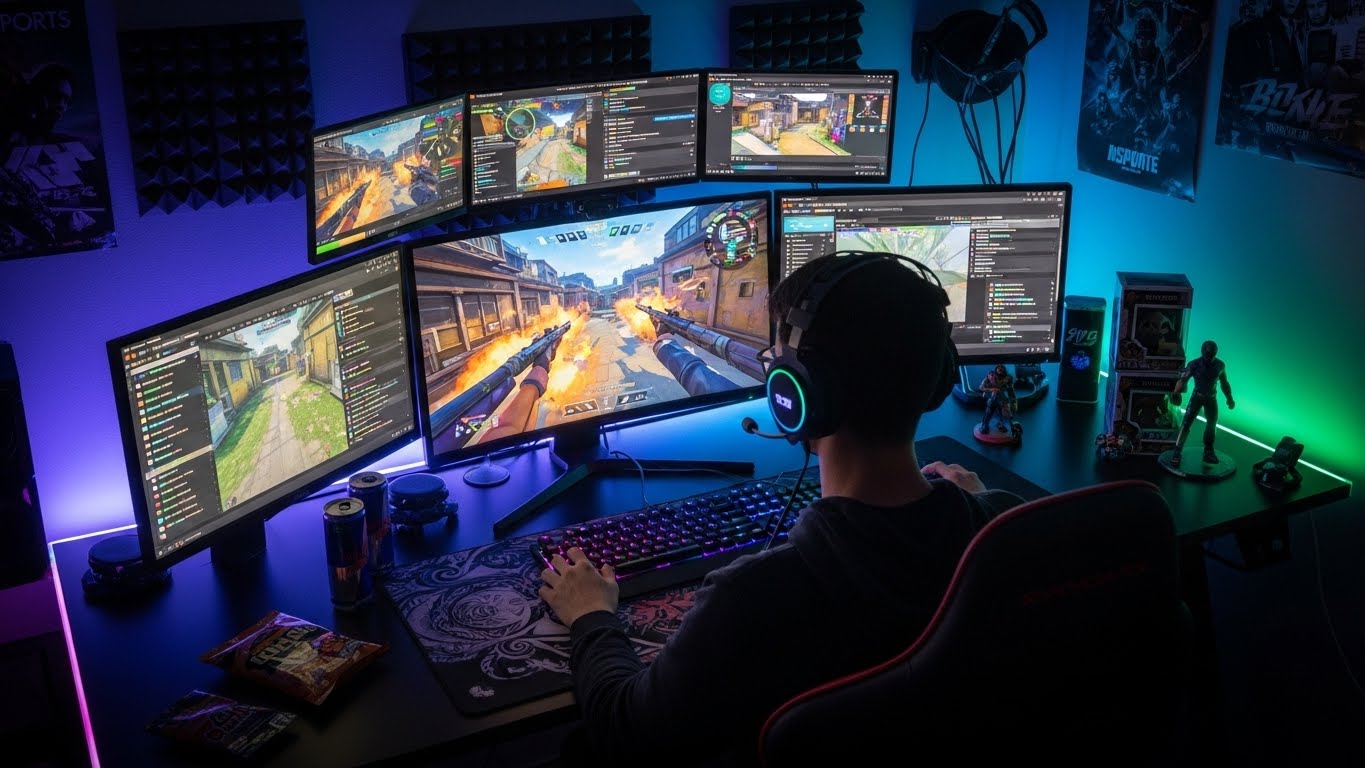
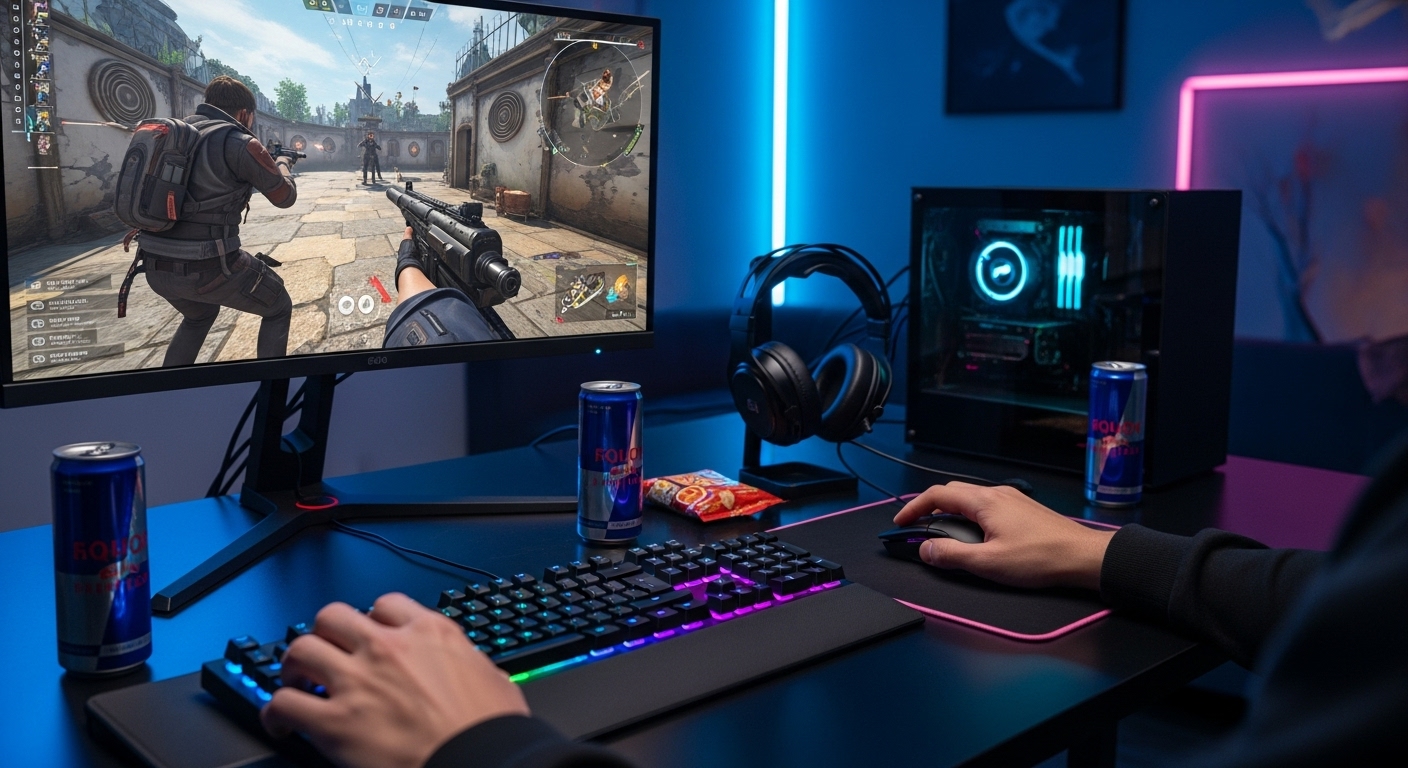
Gaming has grown from a niche hobby into a mainstream cultural phenomenon. Across the globe, millions of people spend hours exploring digital worlds, mastering challenges, and competing with others. Gaming is not just about entertainment; it has become a way to connect, create, and even learn. Players share experiences, exchange tips, and celebrate victories, making gaming a powerful social and cultural force.
Cognitive Benefits of Gaming
Beyond fun, gaming offers a range of cognitive benefits. Strategy and puzzle games improve critical thinking and problem-solving skills. Action and fast-paced games enhance hand-eye coordination, reaction time, and multitasking abilities. Role-playing games stimulate creativity and imagination, allowing players to explore complex narratives and build virtual worlds. In essence, gaming sharpens the mind while keeping it engaged.
Social Interaction and Community
Modern gaming is highly social. Online multiplayer games, esports tournaments, and gaming forums bring players together from all over the world. Gamers learn teamwork, communication, and leadership skills while collaborating to achieve shared goals. These communities foster friendships and provide a sense of belonging, proving that gaming is not a solitary activity but a shared experience.
Gaming and Emotional Wellbeing
Contrary to old stereotypes, gaming can positively impact mental health. Immersive games offer stress relief, motivation, and a sense of achievement. Setting and completing in-game goals teaches perseverance and patience, while engaging in challenges encourages resilience. When approached responsibly, gaming can contribute to overall emotional wellbeing and personal growth.
The Future of Gaming
The gaming industry continues to innovate at a rapid pace, introducing virtual reality, augmented reality, and interactive storytelling. These advancements are creating more immersive experiences, expanding educational opportunities, and offering new ways to socialize. Gaming is not just entertainment; it is a dynamic platform shaping the way we learn, connect, and imagine the future.
Conclusion
Gaming is far more than a pastime. It is a tool for learning, a platform for social connection, and a source of creativity and mental challenge. As technology continues to evolve, gaming will play an even greater role in shaping our culture and our minds. Embracing gaming means embracing innovation, imagination, and the endless possibilities of virtual worlds.