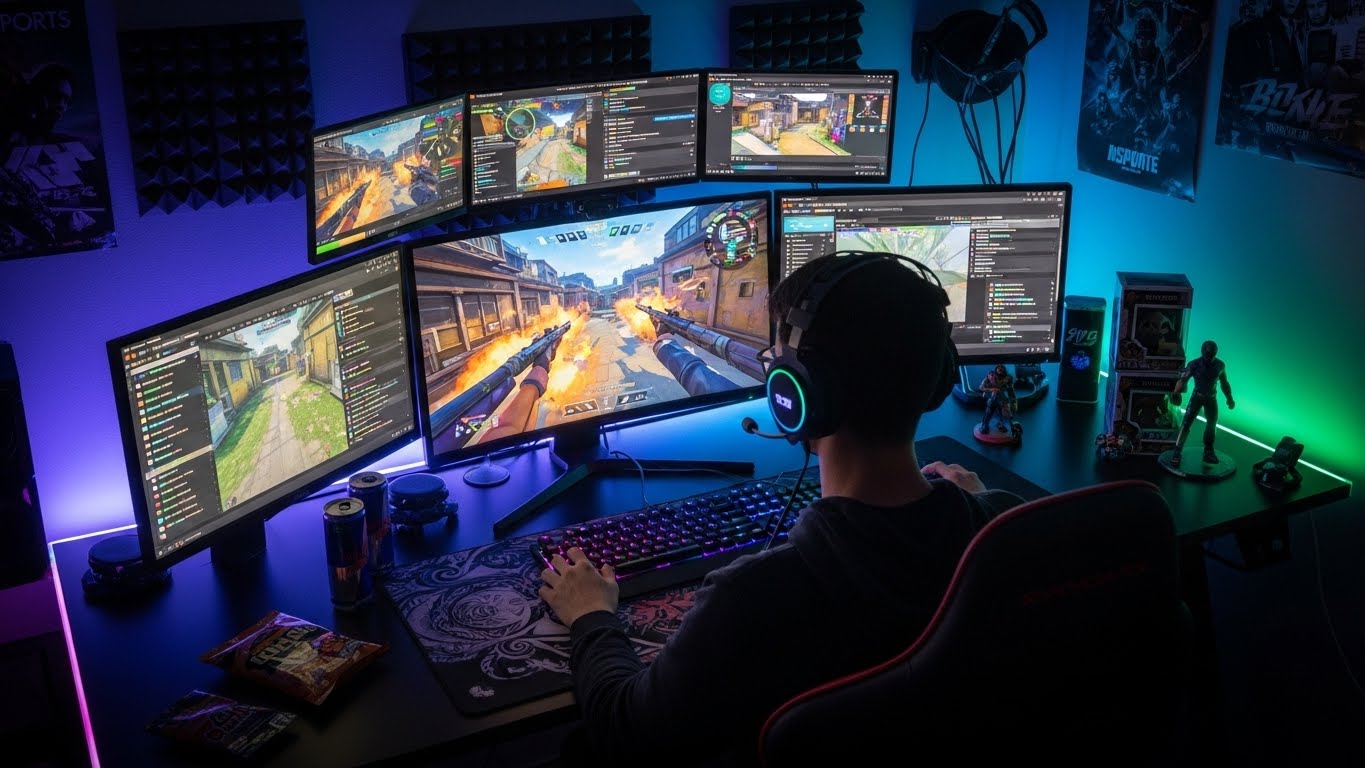
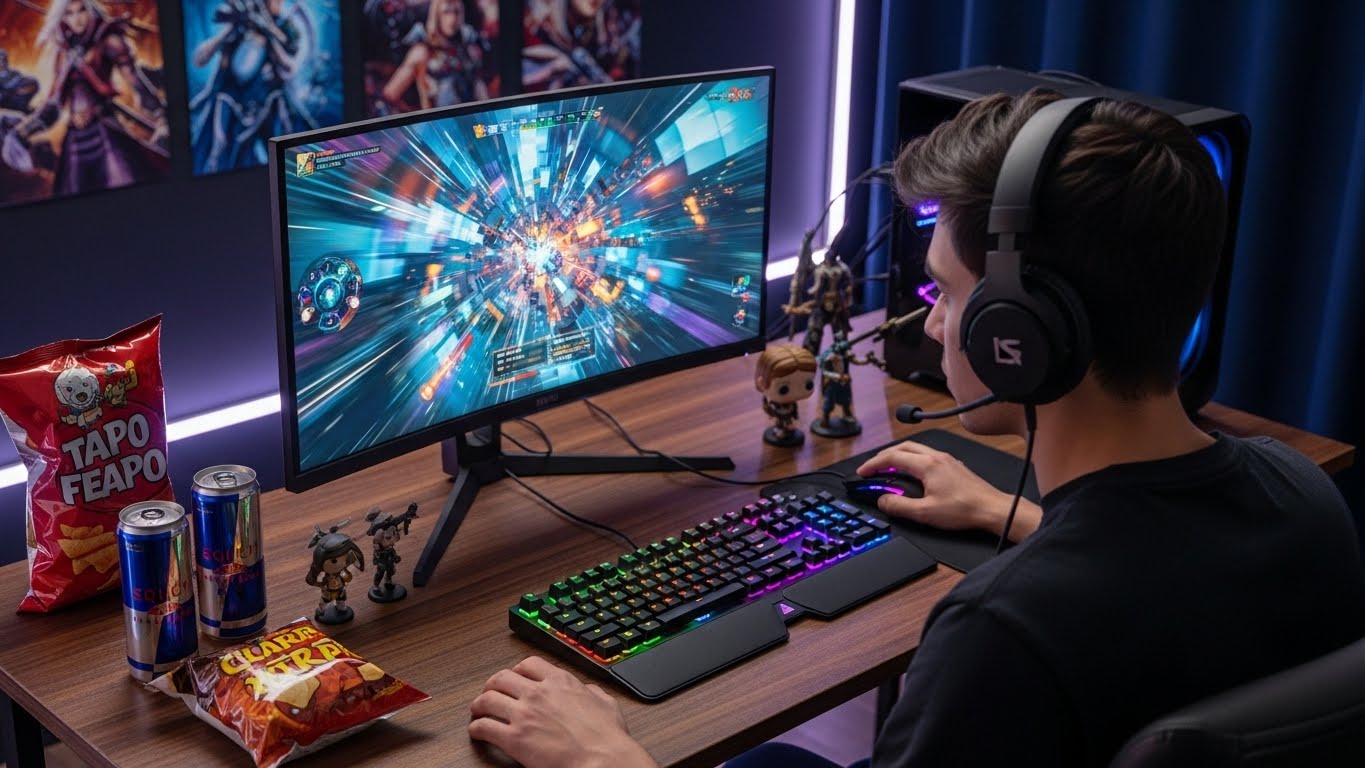
Introduction: More Than Just a Game
Gaming has evolved far beyond a pastime for children or a simple hobby. Today, it is a powerful cultural force that influences art, technology, social interaction, and even personal development. Modern gaming is no longer just about pushing buttons or scoring points; it is about storytelling, strategy, exploration, and connection.
The gaming industry now rivals film and music in cultural influence, drawing millions of players from all walks of life. This post explores how gaming has transformed the way we experience entertainment, develop skills, build communities, and express creativity. Gaming is not just an activity—it is a phenomenon that shapes modern society in subtle and profound ways.
The Evolution of Gaming: From Pixels to Virtual Realities
In the early days, video games were simple, pixelated, and limited to basic mechanics. Titles like arcade classics offered brief moments of fun but little in the way of narrative depth or immersion. Over the decades, technology has revolutionized gaming, transforming it into an immersive, visually stunning, and emotionally engaging medium.
Modern consoles and PCs deliver cinematic graphics, realistic physics, and vast open worlds. Virtual reality and augmented reality have further expanded the possibilities, allowing players to step into fully interactive environments. This technological growth has turned gaming into an art form, capable of delivering complex narratives and emotional experiences that rival films or literature.
The evolution of gaming demonstrates how technology, creativity, and audience expectations continuously push each other forward. Players now demand meaningful stories, realistic worlds, and experiences that challenge both intellect and emotion.
The Power of Storytelling in Games
One of the most striking changes in modern gaming is the emphasis on storytelling. Today’s games offer rich narratives, complex characters, and immersive worlds where player choices can shape the outcome of the story. Unlike traditional media, where audiences passively consume content, gaming encourages active participation. Players become protagonists in the story, making decisions that affect the world around them.
This interactive storytelling allows for deep emotional engagement. Players form bonds with characters, experience moral dilemmas, and invest in outcomes. Games like role-playing adventures, narrative-driven epics, and strategy titles provide opportunities to explore empathy, morality, and problem-solving in ways that traditional media cannot replicate.
Through storytelling, gaming inspires creativity, writing skills, and critical thinking. Players learn to analyze narrative structures, develop strategies, and engage with complex worlds. This is why gaming has become an important cultural and educational tool, offering experiences that entertain and teach simultaneously.
Building Social Connections Through Gaming
Gaming is not just a solitary activity; it is a social phenomenon. Online multiplayer games, cooperative adventures, and competitive esports have created communities that span the globe. Players connect through shared experiences, teamwork, and a common love of gaming.
Online gaming communities provide platforms for communication, collaboration, and friendship. Players discuss strategies, share creative content, and celebrate achievements together. These social connections often extend beyond the screen, creating friendships and networks that last for years.
The social aspect of gaming also fosters important life skills. Communication, teamwork, leadership, and problem-solving are all enhanced through group gameplay. Players learn to work together, manage conflicts, and support each other, creating meaningful experiences that go far beyond entertainment.
Developing Real-World Skills Through Gaming
Many people underestimate the skills developed through gaming. Strategic thinking, decision-making, adaptability, and creativity are essential in modern games. Players often need to plan long-term strategies, make split-second choices, and adapt to rapidly changing scenarios.
Different types of games develop different skills. Strategy games enhance logical thinking and planning. Puzzle games improve problem-solving and memory. Action games sharpen reflexes, attention, and coordination. Multiplayer games cultivate communication, teamwork, and leadership abilities.
Even casual games contribute to cognitive and emotional development. They teach patience, persistence, and resilience, especially when players face challenging levels or repeated failures. Gaming can be a safe space for experimentation, trial and error, and learning from mistakes, making it a surprisingly effective way to develop skills applicable in real life.
The Creative Influence of Gaming
Gaming is a powerful driver of creativity. Players are inspired by the worlds they explore, the characters they encounter, and the stories they participate in. Many gamers transition into creative roles, such as writers, designers, musicians, or developers, influenced by their gaming experiences.
Some games even provide tools for creativity within the game itself. Players can build structures, design characters, create worlds, and develop mods, giving them an outlet to experiment and express themselves. This hands-on creative experience teaches practical skills like design, problem-solving, and innovation.
Gaming also inspires art, music, and storytelling outside the game. Fan creations, concept art, music remixes, and narrative expansions are all examples of how gaming fuels creativity. It serves as a launchpad for imagination and self-expression, encouraging players to explore their creative potential.
Gaming as a Tool for Stress Relief and Emotional Wellbeing
In today’s fast-paced world, stress is a constant challenge. Gaming provides an opportunity for relaxation, escapism, and emotional relief. Immersive games allow players to step away from daily pressures and enter worlds of adventure, exploration, and fun.
This type of engagement can improve mood, reduce anxiety, and provide a sense of accomplishment. Games with open worlds, relaxing environments, or cooperative play encourage mindfulness and patience. Even competitive games can teach resilience and emotional management, helping players cope with failure and develop determination.
Gaming is more than entertainment; it is a form of emotional exercise that supports mental health. It offers joy, social interaction, and a structured environment where players can challenge themselves and experience success.
The Competitive World of Esports
Esports has transformed gaming into a professional, skill-based arena. Competitive gaming now attracts millions of players, spectators, and sponsors worldwide. Top players dedicate countless hours to training, studying strategies, and improving their reflexes and teamwork skills.
Esports celebrates mastery, precision, and innovation. It has created career opportunities for professional players, coaches, analysts, commentators, and event organizers. Tournaments bring communities together and showcase the incredible talent, dedication, and strategy required to compete at the highest level.
Competitive gaming has helped gaming gain legitimacy as a sport, emphasizing discipline, teamwork, and mental acuity. It has become a source of inspiration for aspiring gamers and a testament to the dedication and skill involved in mastering modern games.
The Educational Potential of Gaming
Beyond entertainment, gaming has a growing role in education. Educational games, simulations, and interactive storytelling allow learners to explore concepts in engaging ways. Games teach problem-solving, history, science, mathematics, and critical thinking in ways traditional classrooms cannot.
Simulation games prepare students for real-world tasks, while narrative-driven titles enhance literacy, empathy, and decision-making skills. Virtual environments allow learners to experiment safely, make mistakes, and observe consequences without real-world risk.
Educators increasingly recognize gaming as a tool for learning, communication, and personal growth. When approached thoughtfully, games can be powerful instruments for both academic achievement and skill development.
The Future of Gaming: Endless Possibilities
The future of gaming promises innovations that are limited only by imagination. Advances in artificial intelligence, virtual reality, augmented reality, and cloud technology will make experiences more immersive, realistic, and interactive.
Players will explore worlds indistinguishable from reality, interact with intelligent characters, and enjoy gameplay that adapts dynamically to their choices. Gaming may expand into education, healthcare, and creative industries, offering experiences that blend learning, entertainment, and social interaction seamlessly.
As technology evolves, gaming will continue to influence culture, creativity, and society. Its potential to inspire, connect, and educate is limitless, making it one of the most transformative forms of modern media.
Conclusion: Gaming as a Cultural Phenomenon
Gaming is no longer a hobby or niche interest. It is a cultural force, a creative outlet, a social network, and a personal development tool. It shapes how we interact, think, and imagine. Modern gaming challenges players intellectually, emotionally, and socially, offering experiences that go far beyond mere entertainment.
As players explore virtual worlds, collaborate with others, and create their own stories, they discover the power of gaming to influence real life. Gaming fosters creativity, builds skills, strengthens social bonds, and supports emotional wellbeing. It is a medium that continues to evolve, inspire, and transform, proving that it is more than just a game—it is a reflection of human potential.
Gaming is here to stay, not just as entertainment, but as a defining part of modern culture, creativity, and community.