Introduction: Gaming as a Cultural Force
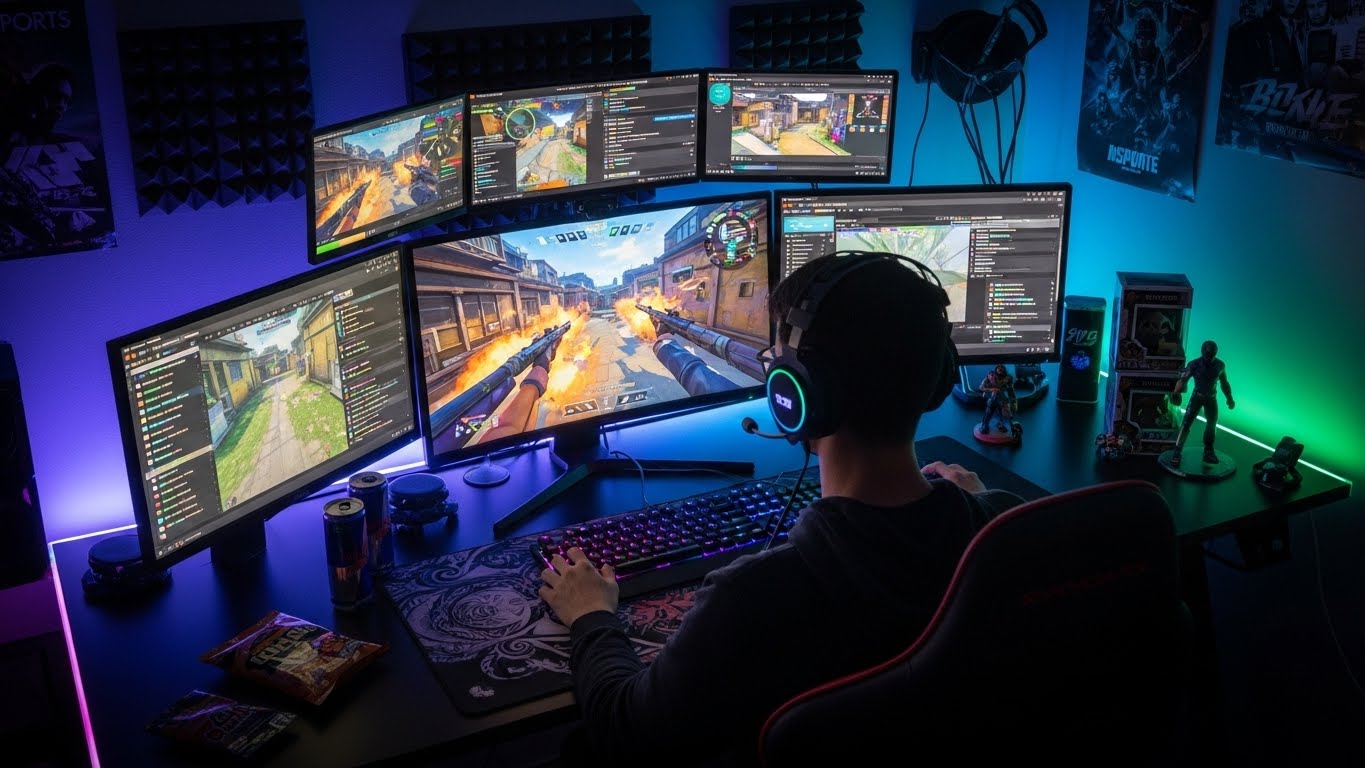
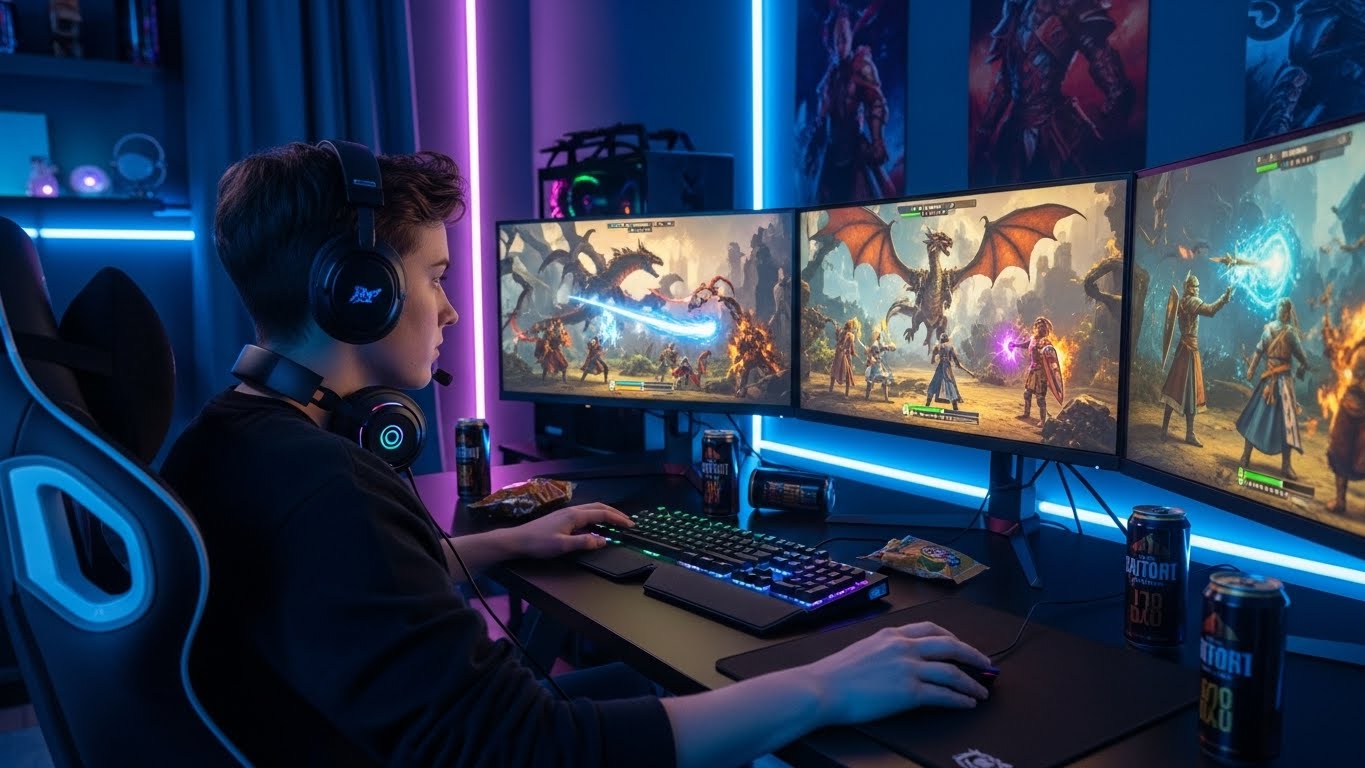
Gaming has grown far beyond its origins as a simple pastime. From the arcade machines of the 1970s to today’s immersive virtual realities, gaming has become a cultural phenomenon influencing technology, art, storytelling, and social interaction. Modern gaming offers more than entertainment—it provides opportunities for creativity, problem-solving, connection, and personal growth.
In this blog, we will explore the evolution of gaming, the rise of storytelling, the cognitive and social benefits it provides, and the technological innovations that continue to shape its future. Gaming is not just a hobby; it is a journey into infinite worlds of imagination and challenge.
The Origins of Gaming: From Arcades to Home Consoles
The journey of gaming began with simple arcade machines like Pong, Pac-Man, and Space Invaders. These games were straightforward but addictive, drawing crowds to arcades where players competed for high scores. Arcades were more than entertainment centers; they were social hubs where friendships were forged, rivalries celebrated, and strategies shared.
The arrival of home consoles in the 1980s marked a pivotal moment in gaming history. Families could now enjoy games together in the comfort of their living rooms. Over time, consoles became more powerful, introducing complex gameplay, immersive graphics, and the ability to save progress. This shift transformed gaming from a casual pastime into an engaging, interactive experience that became part of everyday life.
The Rise of Storytelling in Games
Modern games are not just about action or competition; they are about narrative and emotional engagement. Developers create intricate worlds filled with compelling characters, rich lore, and branching storylines. Players can make choices that influence outcomes, turning games into interactive narratives that feel personal and immersive.
Role-playing games, open-world adventures, and narrative-driven experiences allow players to explore themes such as courage, morality, friendship, and personal growth. The ability to influence the story elevates gaming from simple entertainment to a sophisticated art form that rivals literature and cinema.
Building Communities Through Gaming
One of the most remarkable aspects of gaming is its power to create communities. Online multiplayer games allow players from different parts of the world to collaborate, compete, and form friendships. Cooperative gameplay encourages teamwork and communication, while competitive gaming fosters strategic thinking and resilience.
Even single-player games generate social engagement through fan forums, discussion groups, and online communities where players share strategies, fan creations, and experiences. Gaming has transformed into a social activity that connects people across cultures, making it more than just a solitary pursuit.
Gaming and Cognitive Development
Gaming is not only entertaining but also intellectually stimulating. Strategy games develop critical thinking, planning, and resource management skills. Puzzle games enhance problem-solving abilities, creativity, and cognitive flexibility. Fast-paced action games improve reflexes, hand-eye coordination, and multitasking.
Multiplayer and team-based games teach soft skills such as leadership, communication, and adaptability. Players learn to cope with failure, persevere through challenges, and approach problems strategically. These benefits often extend beyond the game, contributing to personal growth and skill development in everyday life.
The Accessibility of Mobile Gaming
Mobile gaming has transformed the way people interact with video games. Smartphones and tablets make it possible to play anywhere, anytime, removing the need for dedicated consoles or high-end PCs. Casual games allow short bursts of entertainment, while complex mobile titles provide deep narratives and strategic gameplay.
The accessibility of mobile gaming has widened the gaming audience, attracting new players across all age groups. By removing technical and financial barriers, mobile gaming has democratized interactive entertainment, proving that quality gaming experiences can be enjoyed by anyone, anywhere.
Esports: The Rise of Competitive Gaming
Esports has brought professional status and global recognition to gaming. Competitive gaming tournaments attract millions of viewers and feature professional players who dedicate countless hours to practice and strategy. Teams, coaches, and analysts work together in a professional ecosystem similar to traditional sports.
Esports highlights the skill, dedication, and strategy required to excel at gaming. The rise of professional gaming shows that it is more than a pastime—it is a career and a form of entertainment that captivates audiences worldwide.
Creativity in Gaming: Players as Innovators
Modern games often allow players to become creators. Sandbox games, level editors, and creative platforms empower users to design worlds, craft stories, and build unique experiences. Players contribute to the universe of the game, blurring the line between developer and participant.
This creativity fosters engagement and encourages experimentation. Players can construct elaborate cities, intricate puzzles, or narrative-driven experiences that rival official game content. Gaming is no longer just about following rules; it is about designing, imagining, and innovating.
Virtual Reality: Immersive Worlds at Your Fingertips
Virtual reality has revolutionized how players experience games. VR immerses players in game worlds, allowing them to interact with environments in a realistic, first-person perspective. Unlike traditional gaming, VR creates a sense of presence and physical engagement that enhances emotional and sensory experiences.
Beyond entertainment, VR is used in education, therapy, and skill development. Players can explore realistic simulations, learn new abilities, and experience scenarios safely. As VR technology evolves, it promises even more immersive and transformative gaming experiences.
The Mental Health Benefits of Gaming
Gaming has been shown to positively affect mental health. It provides relaxation, stress relief, and a sense of achievement. Immersive worlds allow players to escape daily pressures and explore creativity and strategy in a safe environment.
Cooperative games and social interaction in online communities can reduce feelings of isolation and enhance social skills. Games that challenge problem-solving and critical thinking can improve cognitive function and emotional resilience. When enjoyed in moderation, gaming can be a valuable tool for mental and emotional well-being.
The Future of Gaming: Endless Possibilities
The future of gaming is filled with innovation. Artificial intelligence, cloud gaming, cross-platform play, and adaptive narratives will make games more personalized, immersive, and interactive. Augmented reality, motion controls, and AI-driven content promise experiences that respond in real time to players’ actions.
As technology continues to advance, gaming will continue to push boundaries, creating worlds and experiences previously unimaginable. The evolution of gaming is not just about graphics or scale—it is about expanding possibilities for creativity, connection, and personal growth.
Gaming as a Universal Language
Gaming transcends borders, languages, and cultures. It connects people through shared experiences, cooperation, and competition. Players communicate and collaborate through gameplay, forming bonds that cross national and cultural boundaries.
This universality makes gaming a powerful cultural and social tool. It brings people together, fosters understanding, and creates communities that would not exist otherwise. Gaming has become a global language that unites players through shared passion and experience.
Conclusion: Gaming as an Endless Adventure
Gaming has evolved from simple arcade machines to immersive worlds that engage, entertain, and inspire. It is a platform for storytelling, creativity, skill development, and social connection. Modern games challenge players intellectually, emotionally, and socially, offering experiences that extend far beyond mere entertainment.
The magic of gaming lies in its ability to adapt, innovate, and connect people across the globe. From mobile games to virtual reality, from casual play to professional esports, gaming offers endless opportunities for exploration and growth. It is more than a pastime—it is an adventure, a journey into limitless worlds where imagination, strategy, and human connection converge.
Gaming is not just about playing; it is about experiencing, creating, and connecting. Its universe is vast, dynamic, and ever-expanding, inviting players of all ages to explore, innovate, and enjoy adventures that continue to redefine the meaning of interactive entertainment.