Introduction
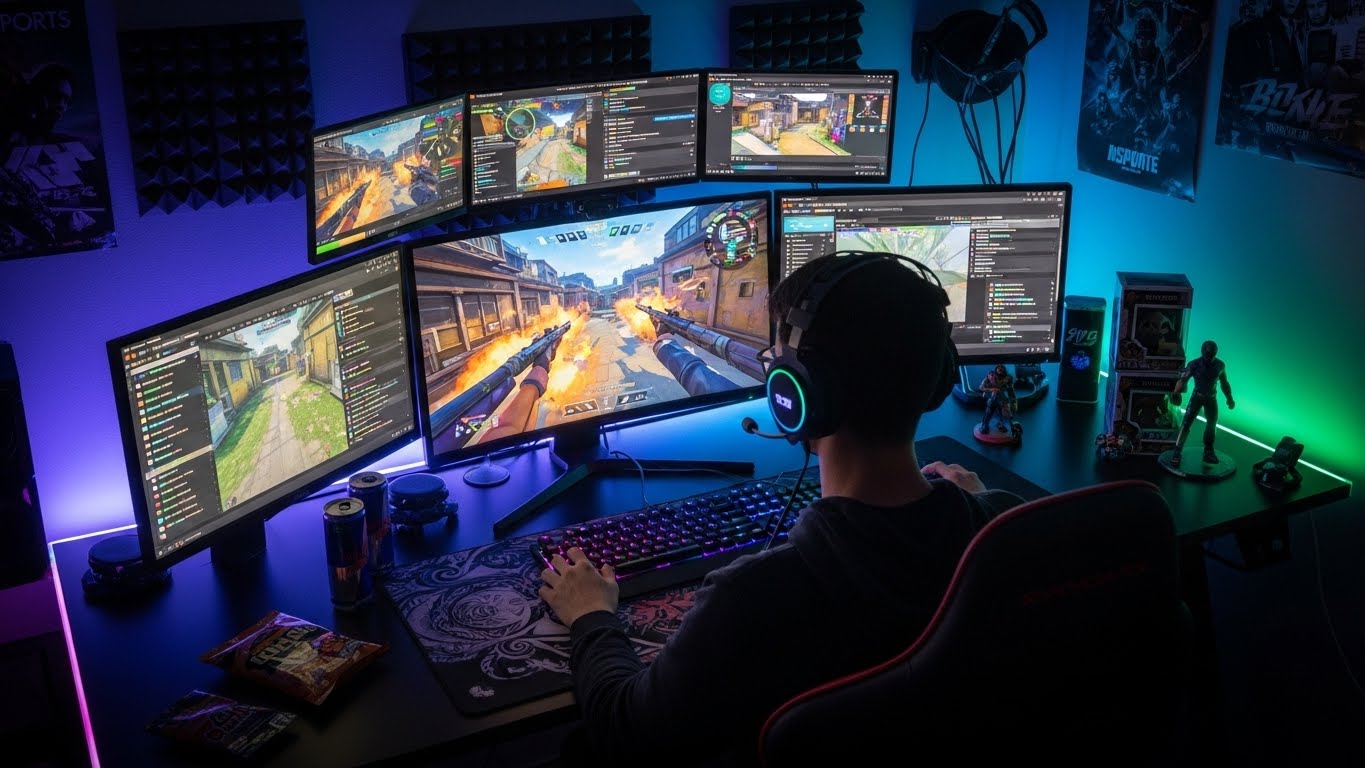
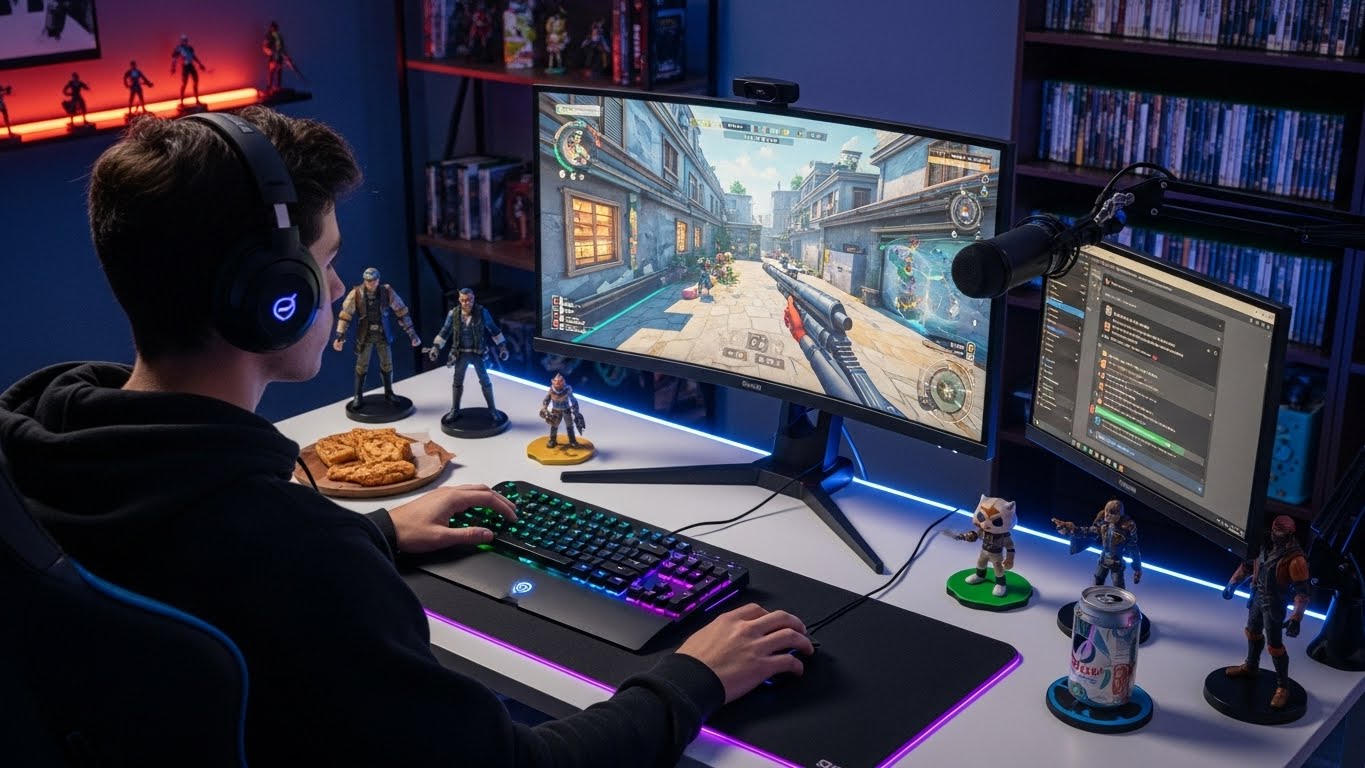
Gaming has come a long way from the beeping arcade cabinets of the past. Today, it stands as one of the most dynamic, influential forms of entertainment on the planet. Whether we play to compete, connect, or escape, the world of gaming has grown into a universe of its own. This blog explores how gaming has evolved, why it matters more than ever, and what makes it such a powerful part of modern life.
The Rise of a Global Gaming Culture
The gaming community is no longer a niche corner of society. It has transformed into a global culture with its own language, values, and trends. People from every age group and background participate in gaming. Children learn teamwork and creativity through colorful virtual playgrounds, while adults unwind with immersive adventures or strategic challenges. Competitive players sharpen reflexes and join worldwide tournaments watched by millions. What once lived only in small gaming clubs is now a worldwide phenomenon that influences fashion, entertainment, social interaction, and even education.
From Pixels to Photorealism: How Graphics Have Transformed Play
One of the most striking parts of gaming’s evolution is the tremendous progress in graphics. Early games depended on pixelated characters, limited colors, and simple animations. Today, consoles and PCs produce near-photorealistic environments, complete with dynamic lighting, detailed textures, and lifelike motion. Players can step into breathtaking forests, futuristic cities, or ancient kingdoms that feel alive and responsive. Advanced engines bring worlds to life while motion capture technology adds believable character expressions and movement. This visual leap has transformed games from simple distractions into rich, cinematic experiences.
The Importance of Storytelling in Modern Games
While graphics capture attention, it is storytelling that truly immerses players. Modern games have evolved into emotional journeys filled with powerful narratives, memorable characters, and surprising plot twists. A well-crafted story gives players a reason to care about the world they explore. Characters become companions rather than just digital creations. Many games today explore themes like grief, courage, morality, and identity. Players are encouraged not only to witness a story but to shape it through their choices. These decisions create a personal connection, making each playthrough unique and meaningful.
The New Era of Open-World Exploration
Open-world games have reshaped how players experience virtual environments. Instead of following a strict linear path, players are free to roam, discover, and decide their own objectives. This sense of freedom is one of the biggest appeals of modern gaming. Whether scaling mountains, hunting for hidden treasures, or interacting with dynamic ecosystems, players enjoy a sense of agency. Open-world design encourages curiosity, creativity, and problem-solving. Developers continually refine these worlds to feel more alive with intelligent wildlife, shifting weather, and evolving characters who respond to the player’s actions.
Online Multiplayer and the Power of Social Connection
Gaming is no longer a solitary activity. Online multiplayer experiences connect millions of players across the globe. Friends and strangers team up, compete, and share unforgettable moments. The rise of cooperative gameplay has introduced a new style of interaction that blends teamwork, communication, and strategy. For many, gaming serves as a virtual social space where relationships form and grow. Voice chat, in-game events, and shared goals bring people together, even when they are miles apart. These digital connections have become especially meaningful in a world where remote interactions are increasingly common.
Esports and the Birth of Digital Athletes
Competitive gaming has surged into a legitimate global industry. Esports tournaments fill stadiums, offer large prize pools, and feature players with dedicated fanbases. These digital athletes train for hours each day, mastering mechanics, strategies, and teamwork. Esports has elevated gaming to a new level of recognition, proving that skill, discipline, and determination can shine just as brightly in digital arenas as they do in traditional sports. As more universities, sponsors, and organizations support esports programs, the future of competitive gaming continues to grow stronger.
The Role of Mobile Gaming in Everyday Life
Mobile gaming has made play more accessible than ever before. With smartphones in nearly every home, millions can enjoy games without needing special hardware. These portable experiences range from casual puzzle games to sophisticated strategy titles. Mobile gaming’s convenience means players can enjoy short sessions during commutes, breaks, or moments of relaxation. This accessibility has broadened the gaming audience, welcoming people who may have never considered themselves gamers.
How VR and AR Are Changing Immersion
Virtual reality and augmented reality introduce an entirely new dimension to gaming. VR headsets transport players inside the game, allowing them to interact with digital worlds using natural movement. The sensation of walking through forests, wielding swords, or solving puzzles with your own hands creates a level of immersion impossible on traditional screens. Meanwhile, augmented reality blends digital elements into the real world, turning everyday environments into interactive playgrounds. These technologies mark the beginning of a future where the boundaries between physical and digital reality continue to blur.
Gaming as a Tool for Learning and Growth
Beyond entertainment, gaming has become a valuable tool for education and personal development. Strategy games improve planning and analytical skills. Puzzle games enhance critical thinking and problem-solving. Cooperative games strengthen communication and teamwork. Educational titles teach subjects like math, science, and language in a fun, engaging way. Even mainstream games can spark curiosity about history, culture, and science. Parents, teachers, and institutions increasingly recognize the positive impact gaming can have when used thoughtfully.
The Creative Side of Gaming Communities
One of the most inspiring aspects of gaming is the creativity it fosters. Many games provide tools for players to design their own levels, characters, or entire worlds. Communities share artwork, stories, modifications, and custom content that expand the life of a game far beyond its original creation. Streaming and video platforms allow gamers to entertain, educate, and inspire others through gameplay commentary, storytelling, or competitive showcases. This creative ecosystem turns players into creators and transforms gaming communities into thriving hubs of imagination.
The Psychological Benefits of Play
Gaming often receives criticism, but research highlights many positive psychological benefits. Games offer a healthy outlet for stress, allowing players to unwind and refocus. They provide a sense of achievement through goals, challenges, and progression systems. Multiplayer games strengthen social connections and reduce feelings of isolation. Story-driven games help players process emotions and build empathy. While balance is key, gaming can contribute positively to mental well-being when enjoyed in moderation.
The Challenges Facing the Gaming Industry
Despite its successes, the gaming world faces challenges. Issues like crunch culture, toxic behavior in online spaces, and the pressure of aggressive monetization need continuous attention from developers and communities. Balancing creativity with sustainable development practices is essential for the industry to continue growing responsibly. Players, developers, and platform holders must work together to foster a healthier environment where creativity and respect thrive.
Where the Future of Gaming Is Headed
As technology evolves, so will gaming. Artificial intelligence will enable smarter characters and more reactive worlds. Cloud gaming promises to make high-quality experiences available on any device without expensive hardware. Interactive storytelling will grow more complex, giving players even greater influence over narrative outcomes. The blending of virtual and physical realities will deepen immersion in ways we can only imagine today. The future of gaming is not just about new consoles or improved graphics. It is about new ways of connecting, expressing, and experiencing life.
Conclusion
Gaming has become a powerful part of our modern world, shaping culture, entertainment, and social interaction. What began as a simple pastime has evolved into a global phenomenon filled with creativity, competition, and community. Whether someone plays casually on a phone or competes fiercely in esports arenas, gaming offers something unique for everyone. As technology continues to advance and players continue to shape the industry, the world of gaming will only grow richer and more meaningful. In many ways, the journey has only just begun.