Introduction: The New Age of Digital Play
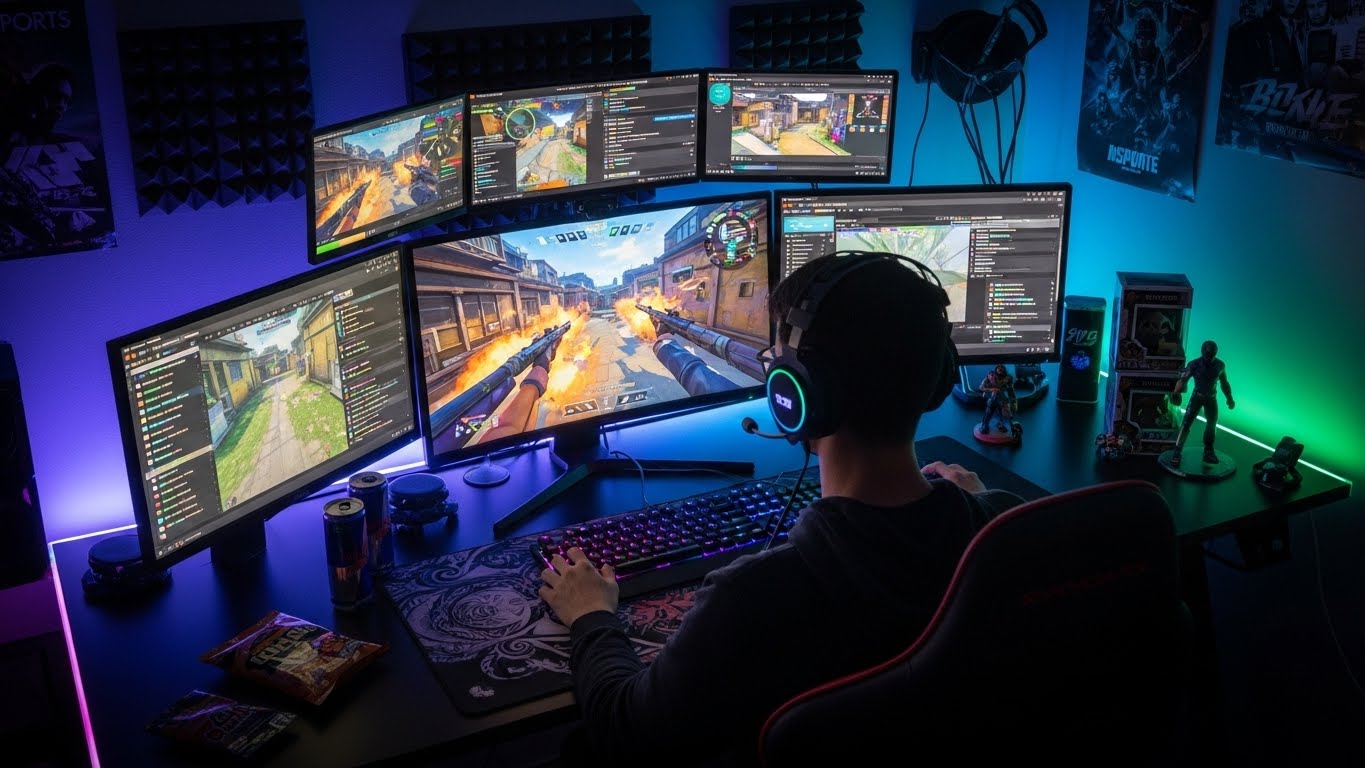
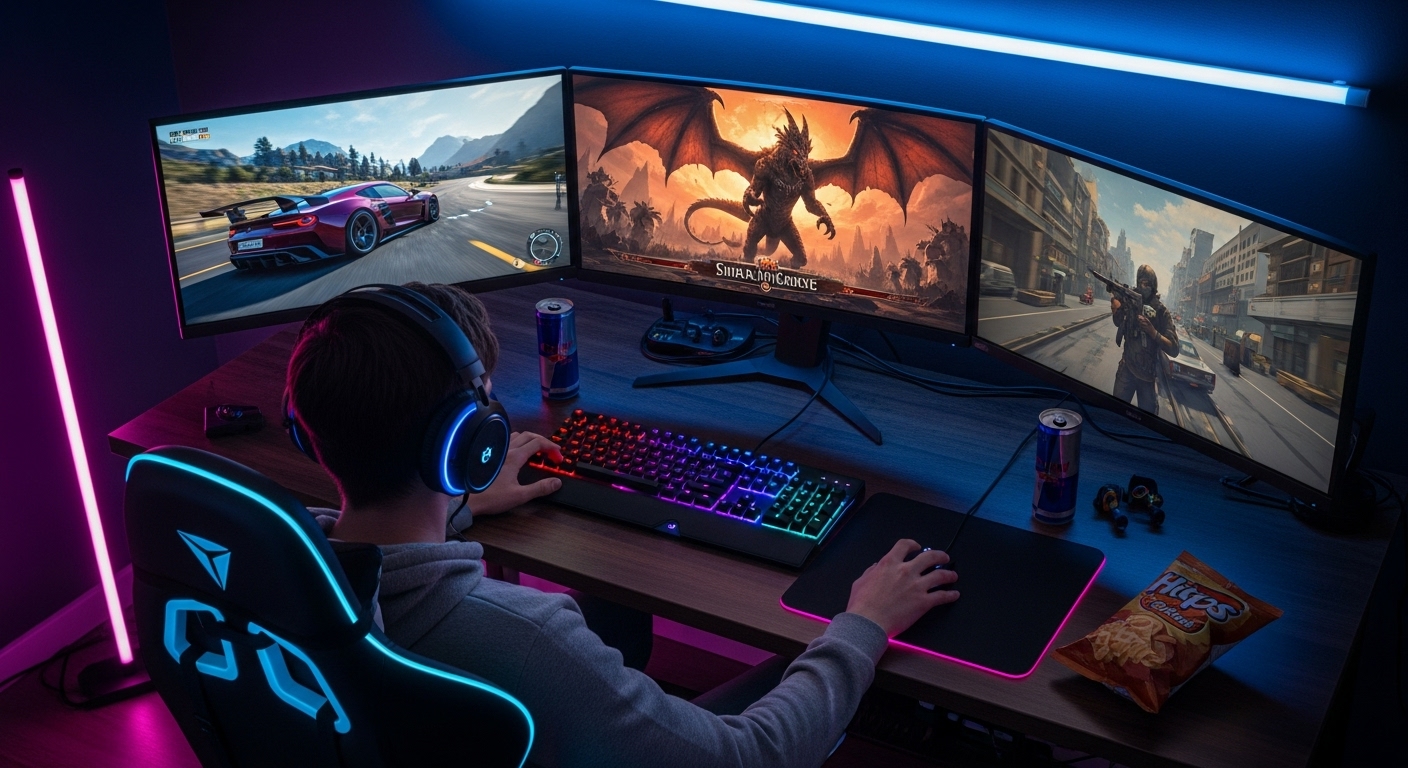
Gaming has transformed from a simple pastime into a global cultural force. What once began with pixelated screens and limited controls has now expanded into vast virtual universes, competitive arenas and immersive storytelling experiences. As technology advances, gaming continues to evolve, affecting not only entertainment but also education, psychology, community building and even career choices. This blog explores the world of gaming in depth, revealing how it has reshaped the modern lifestyle and why it continues to grow at such an incredible pace.
The Rise of Gaming as a Mainstream Phenomenon
Just a few decades ago, gaming was viewed as a niche hobby reserved for children or tech enthusiasts. Today, it stands shoulder to shoulder with movies, music and sports, becoming one of the most profitable industries worldwide. The rise of accessible devices such as smartphones, tablets and affordable consoles has opened the gaming gates for people of all ages. The growth of esports and live-streaming platforms has also played a major role, turning gamers into global celebrities. This shift has lifted gaming from casual entertainment to a full-fledged cultural movement.
The Evolution of Game Technology
The technological progress behind games is astonishing. Early video games were limited by simple graphics, minimal sound effects and basic mechanics. Modern gaming, however, offers hyper-realistic visuals, advanced physics engines, adaptive artificial intelligence and deeply interactive environments. Virtual reality and augmented reality have further enhanced the experience, allowing players to physically engage with digital worlds. Cloud gaming has removed the need for expensive hardware, making advanced games available on everyday devices. With each innovation, gaming becomes more immersive and accessible.
The Expanding Diversity of Game Genres
One of the reasons gaming appeals to such a wide audience is the diversity of genres available. Action-packed shooters satisfy thrill-seekers, while storytelling-based adventures captivate players who love narrative depth. Strategy games challenge the mind, sports games emulate real-life competition and simulation games recreate everyday activities in fun and creative ways. Puzzle games lighten the mood with casual play, while massively multiplayer online games connect people from around the world. This vast range ensures that there is a game for every personality, mood and preference.
Gaming as a Tool for Learning and Skill Development
Contrary to outdated beliefs, gaming can be incredibly educational. Many games require critical thinking, strategic planning and quick decision-making. They improve hand-eye coordination, memory and problem-solving abilities. Educational games help children learn mathematics, languages and science through engaging methods. Simulation games teach real-world skills such as management, farming, driving and city planning. Even multiplayer games help players develop teamwork, communication and leadership skills. As the world becomes more digital, gaming is proving to be a valuable learning resource.
The Psychological Benefits of Gaming
Games do more than entertain; they can also improve mental health. Engaging gameplay can reduce stress, elevate mood and serve as a healthy escape from everyday challenges. Story-driven games offer emotional journeys that help players process feelings or reflect on life situations. Cooperative games foster a sense of belonging, while achievement systems motivate players and boost confidence. Of course, balance is essential, but when used responsibly, gaming can be a positive outlet for relaxation and self-expression.
The Social Impact of Gaming Communities
Gaming brings people together in powerful ways. Online communities form around shared interests, giving players a place to connect regardless of distance, culture or background. Multiplayer games rely on teamwork, encouraging communication and cooperation. Friends bond over shared victories, and strangers unite through common goals. This sense of community is especially valuable for individuals who may struggle with face-to-face social interactions. Gaming creates friendships, strengthens relationships and fosters a global sense of belonging.
The Rise of Esports and Competitive Gaming
Competitive gaming, or esports, has grown into a massive global industry. Professional players train for hours each day, compete in international tournaments and earn significant prize money. Esports events attract millions of viewers, rivaling traditional sports broadcasts. This rise has also created new opportunities such as coaching, streaming, event management and content creation. What was once considered a hobby is now a legitimate career path, inspiring countless players around the world.
The Business Side of Gaming
Behind every successful game is a massive ecosystem of developers, designers, writers, artists, marketing teams and testers. The gaming industry supports millions of jobs and continues to expand as demand grows. Indie developers bring fresh creativity to the market, while major studios push the boundaries of technology and storytelling. Gaming merchandise, professional tournaments, mobile apps and virtual goods contribute to a thriving economic landscape. As long as innovations continue, the business of gaming will keep flourishing.
The Social Challenges and Misconceptions Surrounding Gaming
Despite its growth and benefits, gaming still faces misunderstandings. Some people believe gaming leads to addiction, violence or antisocial behavior. While excessive gaming can cause issues, these problems arise from misuse rather than the activity itself. Numerous studies show no direct link between gaming and harmful behavior. Instead, the real challenge is achieving balance. Like any hobby, gaming must be enjoyed responsibly. It is important for players, especially younger ones, to maintain healthy routines and set boundaries.
The Importance of Healthy Gaming Habits
A positive gaming experience requires balance. Players should take breaks, maintain good posture, stay hydrated and monitor screen time. Parents can encourage healthy habits by setting schedules and engaging in gaming with their children. Choosing appropriate games for different ages also plays an important role. Gaming should enhance life, not replace essential activities such as school, work, exercise and family time. When approached with mindfulness, gaming becomes a beneficial part of daily life.
The Future of Gaming and Virtual Worlds
The future of gaming is incredibly exciting. Artificial intelligence will continue to make characters smarter and stories more dynamic. Virtual reality and augmented reality will merge physical and digital environments in ways we cannot yet fully imagine. The integration of gaming with education, work and social experiences will continue to grow. As technology advances, games will become even more immersive, customizable and interactive. The boundary between real and virtual worlds will blur, creating new opportunities for creativity and exploration.
Conclusion: Why Gaming Matters Today
Gaming is more than entertainment; it is a cultural, educational and technological phenomenon. It shapes how people learn, relax, communicate and even build careers. As gaming evolves, its influence on society grows, touching nearly every aspect of modern life. Whether someone plays casually or competitively, alone or with friends, gaming offers something valuable for everyone. It has become a universal language, crossing borders and connecting millions worldwide. The realm of gaming is vast, vibrant and full of endless possibilities, and its story is only just beginning.