Introduction: A New Era of Digital Adventure
Gaming has transformed from a niche pastime into a global cultural force that transcends age, gender, and geography. Today, it is not uncommon to see children competing on handheld consoles, teenagers streaming competitive matches, adults unwinding with narrative-driven adventures, and seniors enjoying casual puzzle games. The evolution of gaming has unfolded rapidly, driven by advancements in technology, creative storytelling, and a vibrant community of passionate players. In this blog, we will explore how gaming has evolved over the years, what defines modern gameplay, and how players themselves are shaping the future of interactive entertainment.
The Early Days of Gaming: Where It All Began
Before the era of sprawling open worlds and cinematic graphics, gaming had humble beginnings. The earliest games were simple, pixelated experiences that relied more on imagination than visual spectacle. Yet titles from this era laid the foundation for everything that followed. From the strategic simplicity of classic arcade machines to the basic platforming challenges of early consoles, gaming was built on innovative ideas rather than complex technology.
These early games established core mechanics—jumping, collecting, competing, solving puzzles—that remain relevant today. What they lacked in graphical sophistication, they made up for in charm, creativity, and challenge. Players learned to appreciate the satisfaction of mastering difficult levels and discovering secrets, a design philosophy that still influences modern titles.
The Rise of Home Consoles and the Expansion of Imagination
As home consoles gained popularity, gaming shifted from public arcades into living rooms. This transition brought families together and introduced millions of people to the art of play. Every new console generation pushed the boundaries of technology, allowing developers to experiment with new genres, mechanics, and storytelling techniques.
Suddenly, players could explore dungeons, race through realistic environments, and interact with detailed characters. The world of gaming began to feel expansive, offering experiences far richer and more immersive than anything previously imagined. With each leap in hardware innovation, games became more ambitious in scope and design.
A New Dimension: The Impact of Online Multiplayer
The introduction of online multiplayer gaming revolutionized the industry. Players were no longer limited to facing computer-controlled opponents or the person sitting next to them. Instead, they could now team up or compete with people around the world in real time. This development created a sense of global community among gamers.
Online multiplayer also encouraged the growth of cooperative and competitive gaming. Team-based shooters, battle arenas, strategy games, and massive online worlds became the center of digital camaraderie. Players formed friendships, rivalries, and even professional teams, paving the way for today’s highly structured esports environment.
The Birth of Esports: From Hobby to Global Competition
Gaming’s shift into the realm of professional competition is one of the most remarkable chapters in its evolution. Esports tournaments now draw millions of viewers, with fans supporting their favorite teams and players just as passionately as traditional sports enthusiasts. What started as small community events in local halls has transformed into global championships hosted in massive arenas.
Players dedicate countless hours to refining their skills, studying strategies, and competing for prestige and significant prize pools. But beyond the money and recognition, esports has demonstrated that gaming is a legitimate career path. It has inspired young gamers everywhere to pursue excellence, teamwork, and dedication in ways previously reserved for traditional athletics.
Streaming Culture: Gamers as Entertainers
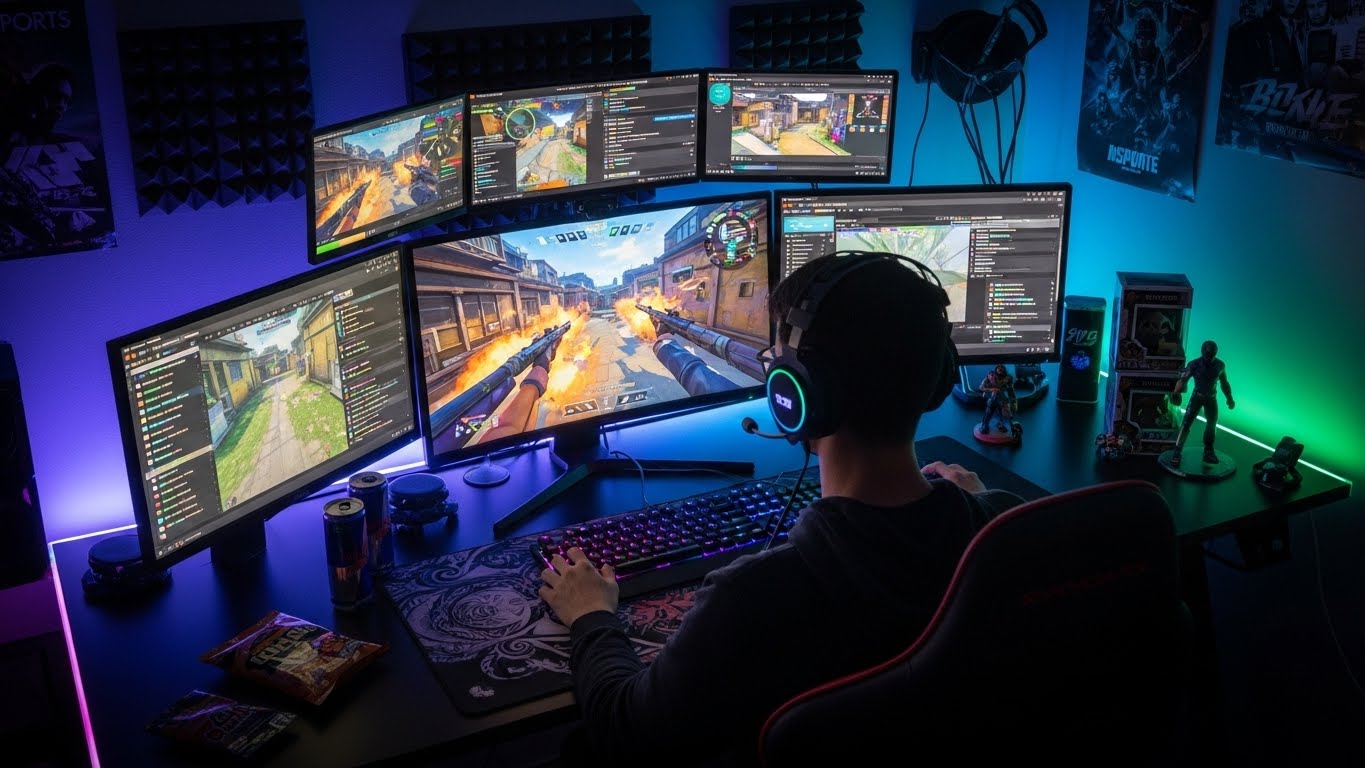
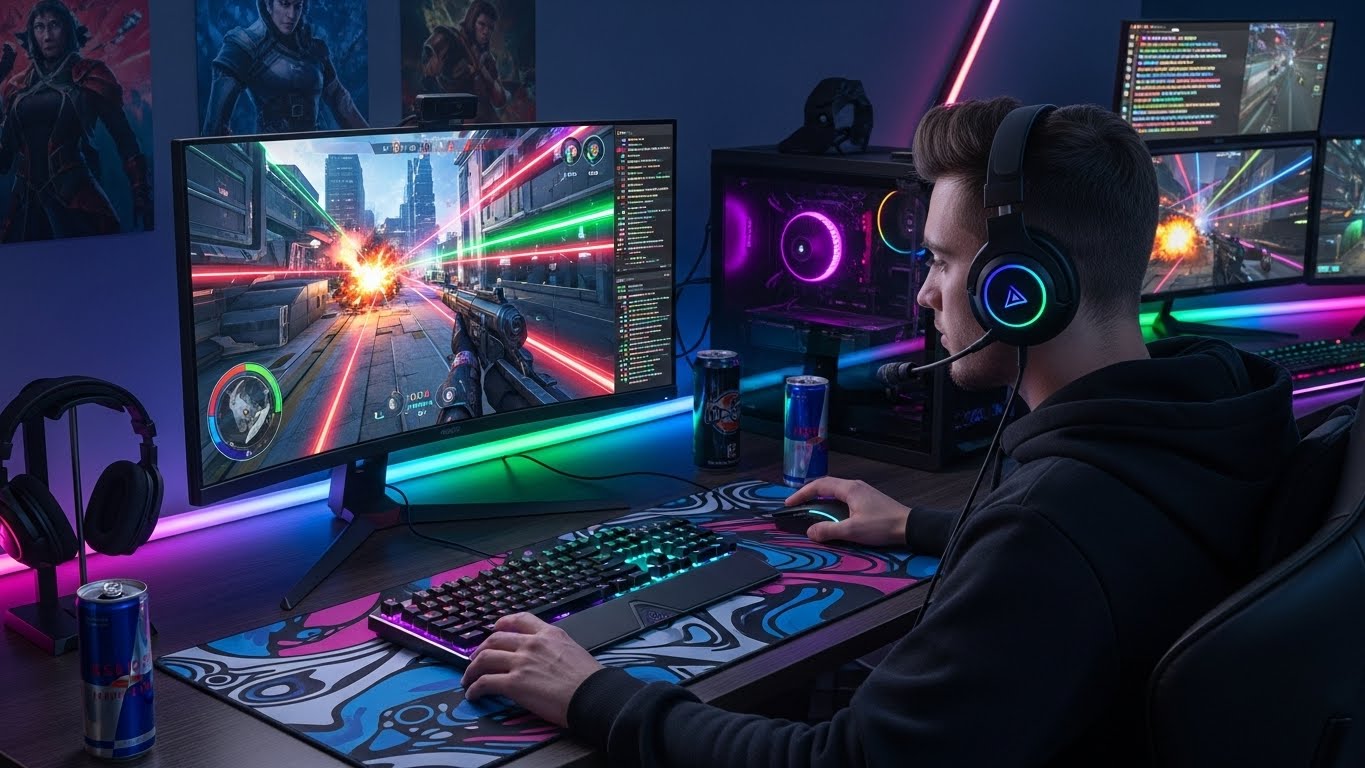
The rise of game streaming platforms further reshaped the landscape. Players no longer needed to become professionals to build an audience. Anyone with a camera and a passion for games could share their experiences with viewers worldwide. Streaming has created a new class of entertainers who blend gaming skill with humor, storytelling, or insightful commentary.
This phenomenon has brought gamers closer together. Viewers feel personally connected to their favorite streamers, creating a sense of digital companionship. Streams often become communities where people laugh, learn, and support each other—highlighting how gaming culture extends beyond the screen.
Mobile Gaming: Power in the Palm of Your Hand
The global explosion of mobile gaming has made interactive entertainment more accessible than ever. With smartphones becoming increasingly powerful, players can enjoy high-quality games anytime and anywhere. This accessibility introduces gaming to audiences who might have never owned a console or gaming PC.
Mobile titles often focus on casual gameplay, making them appealing to both seasoned players and newcomers. Yet mobile gaming has also grown sophisticated, offering deep competitive experiences, impressive graphics, and complex strategies. It has become a key pillar of the gaming industry, proving that innovation isn’t confined to traditional platforms.
Storytelling in Games: Beyond the Controller
Modern games have evolved into narrative masterpieces that rival movies and novels. Developers craft deep, emotionally resonant stories that invite players to step into the shoes of diverse characters. These interactive narratives allow players to make choices that shape the outcome of the story, making the experience feel personal and engaging.
From epic fantasy tales to intimate emotional journeys, the variety of storytelling in gaming continues to expand. Players are no longer passive viewers; they are active participants in rich, immersive worlds. This shift has encouraged developers to explore new themes, perspectives, and creative possibilities.
The Rise of Open-World Games: Freedom to Explore
One of the most defining trends in modern gaming is the rise of open-world experiences. These games offer expansive environments filled with secrets, challenges, and dynamic events. Players can choose their own paths, explore at their own pace, and create unique adventures.
Open-world design emphasizes freedom and discovery. Whether navigating a futuristic city, roaming through dense forests, or exploring ancient ruins, players feel like they are part of living, breathing worlds. This sense of immersion has become a major factor in the popularity of modern games.
Virtual Reality and the Future of Immersion
Virtual reality technology pushes gaming into an entirely new dimension. Instead of observing a world on a screen, players can step inside it. VR allows for unparalleled immersion, making every movement and interaction feel real. Whether exploring alien planets, solving puzzles in mysterious environments, or practicing sports simulations, VR creates unforgettable experiences.
Although still developing, VR holds limitless potential. As technology continues to evolve, its impact on gaming is expected to be profound. More precise controls, lightweight headsets, and realistic sensory feedback could make VR one of the most transformative innovations in entertainment.
The Power of Community: Gamers Driving Change
The gaming community plays a crucial role in shaping the direction of the industry. Players share feedback, discuss mechanics, create mods, organize tournaments, and support one another. Their collective passion inspires developers to innovate and improve.
Communities also help extend the life of games through fan art, custom levels, and creative content. Some games thrive for decades because of dedicated fans who continue to breathe new energy into their favorite titles. Gaming communities demonstrate the power of collaboration and creativity.
Indie Games: Innovation from Small Teams
While major studios create blockbuster titles, indie developers bring fresh ideas and creativity to the industry. These smaller teams often take risks, exploring unconventional mechanics or artistic styles. Indie games frequently become surprise hits, proving that great ideas don’t require big budgets.
Their success has encouraged more players to appreciate unique, story-driven, or experimental experiences. Indie creators remind the world that gaming is an art form with endless possibilities.
The Social Side of Gaming: More Than Just Play
For many people, gaming is more than a hobby—it is a way to connect. Cooperative gameplay brings friends together, even across long distances. Online communities offer a sense of belonging to millions who share similar interests.
Gaming has also become a powerful tool for education, rehabilitation, and stress relief. It helps players develop problem-solving skills, strategic thinking, and hand-eye coordination. In many ways, gaming enriches lives far beyond entertainment.
Conclusion: The Future of Gaming Is in Our Hands
Gaming has come a long way, evolving from simple pixelated adventures into complex, immersive experiences that captivate millions. Today’s players are more than consumers—they are explorers, storytellers, competitors, creators, and innovators. Each generation of gamers influences the next, shaping the future of the industry.
As technology continues to advance, new possibilities will emerge. But regardless of how gaming evolves, one truth remains constant: the heart of gaming lies in the joy, creativity, and community it inspires. The evolving world of gaming is a testament to human imagination, and its future is brighter than ever.