Introduction: The New Age of Gaming
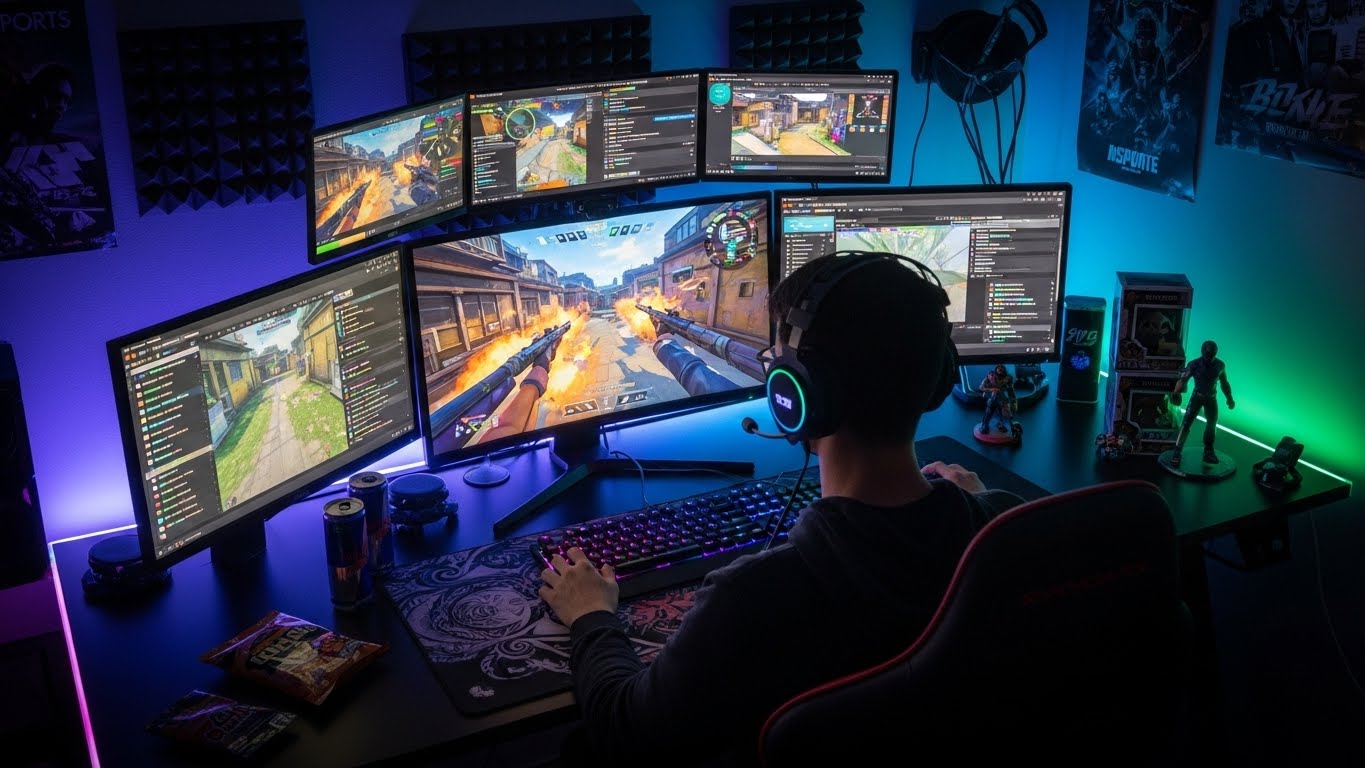
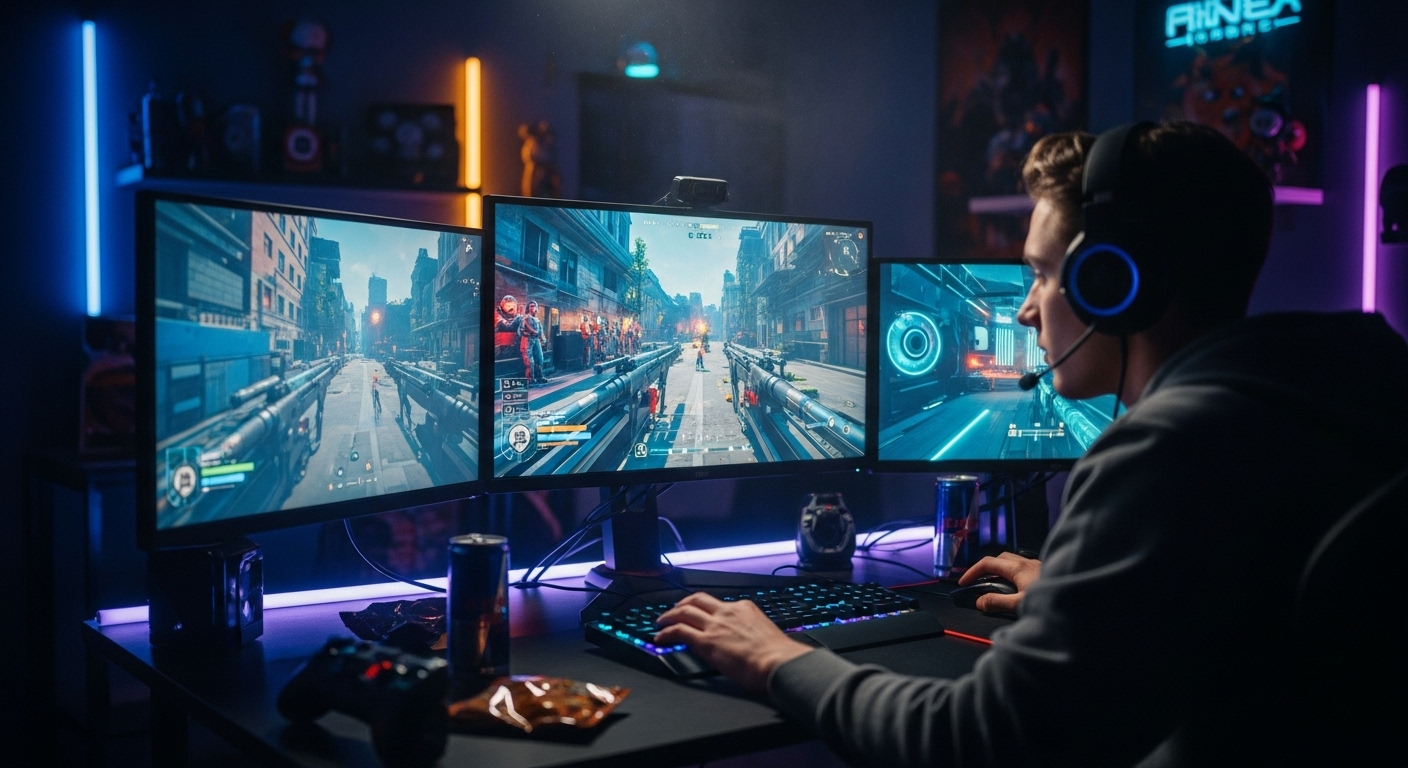
Gaming, once a niche hobby, has rapidly become a dominant force in global entertainment. The landscape of gaming has transformed, not just in the way it is played but in how it influences culture, technology, and even social interactions. Video games today are far more than simple pastimes. They’re powerful tools for storytelling, learning, and creativity. This blog explores how gaming has evolved from its early days into the cultural powerhouse it is now and looks ahead to what the future holds.
Gaming as a Cultural Phenomenon
Video games have evolved into one of the most significant cultural movements of the 21st century. The rise of gaming has created its own ecosystem of influencers, streamers, esports professionals, and game designers. Massive events like The Game Awards and live-streaming platforms such as Twitch have turned gaming into a global spectacle. Games like Fortnite, Call of Duty, and Minecraft have become cultural icons, impacting everything from fashion to music. For millions of people, gaming is no longer just a way to unwind—it’s a lifestyle and a shared experience that brings people together across the globe.
The Growth of Online Communities
In the past, gaming was often seen as an isolated activity, with players enjoying their experiences alone or with a few friends. Today, however, online multiplayer games have revolutionized the way people connect. Platforms such as Discord and Steam have allowed gamers to interact with others from different cultures, forging friendships and communities that extend far beyond the game itself. Whether it’s joining a guild in World of Warcraft, participating in a battle royale in Apex Legends, or teaming up for a League of Legends match, gaming has become a space where individuals can find belonging and shared experiences, often leading to lifelong friendships.
The Emergence of Esports and Professional Gaming
Esports has elevated gaming to the level of professional sports, with tournaments offering multi-million-dollar prize pools and attracting millions of viewers. Games like Dota 2, Counter-Strike: Global Offensive, and Overwatch have transformed into competitive battlegrounds, with players training for hours and competing in global championships. Esports athletes now enjoy sponsorship deals, media attention, and even fame similar to traditional sports figures. This shift has made gaming a legitimate career for some, and professional esports leagues are growing in popularity worldwide, creating an entirely new industry of gaming talent, entertainment, and business opportunities.
Gaming and Innovation: Pushing Technological Boundaries
One of the most fascinating aspects of the gaming industry is its constant push to innovate. Developers and tech companies are at the forefront of driving technological advancements. Virtual reality (VR) and augmented reality (AR) are reshaping the way we experience games, with systems like the Oculus Rift and PlayStation VR immersing players in entirely new worlds. Meanwhile, advances in artificial intelligence (AI) have allowed for more responsive and dynamic game environments, making the gaming experience more engaging and realistic than ever before. As cloud gaming becomes more widespread, the need for expensive consoles or high-end PCs is diminished, allowing anyone with a stable internet connection to access high-quality gaming experiences.
The Role of Storytelling in Gaming
The evolution of storytelling in games has been nothing short of remarkable. Early video games were focused primarily on gameplay mechanics, often with simple narratives or no stories at all. Today, games like The Last of Us, Red Dead Redemption 2, and The Witcher 3 feature complex narratives with deep character development, emotional depth, and moral dilemmas. These games rival Hollywood films in terms of storytelling quality, often blurring the lines between interactive entertainment and traditional cinema. As gaming continues to mature, we can expect even more groundbreaking stories that take players on emotional, thought-provoking journeys.
The Educational Benefits of Gaming
Gaming isn’t just about entertainment—it’s also a valuable tool for learning. Educational games have been used for years to teach everything from mathematics to history, but the rise of “serious games” has brought this aspect to the forefront. Games like Kerbal Space Program, Civilization VI, and Minecraft Education Edition allow players to explore concepts in science, engineering, and social studies in a hands-on and engaging way. Moreover, games that require problem-solving, strategic thinking, and teamwork can foster critical life skills such as collaboration, communication, and time management. As the educational potential of gaming is further realized, we may see games playing a larger role in traditional classrooms.
The Challenges Facing the Gaming Industry
Despite its many benefits, the gaming world is not without its challenges. Issues such as gaming addiction, harassment in online communities, and the lack of diversity in both gaming content and development teams remain significant concerns. The rapid growth of gaming has also led to increased scrutiny around issues like microtransactions, loot boxes, and the ethical implications of game monetization. Developers, publishers, and gamers alike must work together to create a more inclusive and responsible gaming environment that prioritizes well-being and fosters positive experiences for all players.
The Future of Gaming: What’s Next?
The future of gaming is filled with exciting possibilities. With the continued development of virtual reality and augmented reality, players could soon experience games in ways that were once thought impossible. Cloud gaming will make high-quality gaming more accessible to a wider audience, while AI and procedural generation will create ever more immersive and dynamic game worlds. As technology advances, the line between reality and the digital world will continue to blur, leading to new types of experiences that we can’t yet fully comprehend. Whatever the future holds, one thing is clear: gaming will continue to evolve, entertain, and inspire for generations to come.
Conclusion: A Global Movement
Gaming has grown into a global cultural force that shapes not only entertainment but also social behavior, technology, and creativity. Whether you’re a casual player or a competitive gamer, the digital realms offer a space for personal expression, social connection, and exciting challenges. As gaming continues to evolve, it will undoubtedly play an even larger role in shaping our collective future, sparking new ideas, new technologies, and new ways for people to interact with the world. The rise of digital realms has just begun, and the possibilities are endless.