Introduction
Gaming has evolved from a simple pastime into one of the most influential industries in the world. It is no longer limited to consoles and arcades—it has become a global culture that connects people, inspires creativity, and drives technological innovation. Gaming today is more than entertainment; it is a powerful force shaping how we learn, communicate, and express ourselves.
The Evolution of Gaming
From the early days of pixelated screens and 8-bit soundtracks, gaming has come a long way. The first video games were simple and limited, yet they laid the foundation for an entire industry. With technological advancement, gaming has transformed into a highly immersive experience with realistic graphics, complex storytelling, and interactive gameplay. Today, players can explore vast virtual worlds that rival real-life environments, experiencing stories and adventures beyond imagination.
Gaming as a Global Community
One of the most remarkable aspects of modern gaming is its ability to connect people worldwide. Online multiplayer games allow players from different cultures to team up, compete, and communicate in real time. These interactions create a sense of global unity, breaking down geographical and language barriers. Gaming communities on various platforms foster friendship, teamwork, and collaboration, proving that play can bring people together across borders.
The Art of Storytelling in Games
Video games have become a new form of storytelling that rivals film and literature. Through interactive choices and emotional narratives, players are not just observers but active participants in the story. Games blend visuals, sound, and dialogue to create experiences that touch the heart and challenge the mind. This artistic evolution has made gaming one of the most engaging and expressive mediums of our time.
The Rise of Competitive Gaming
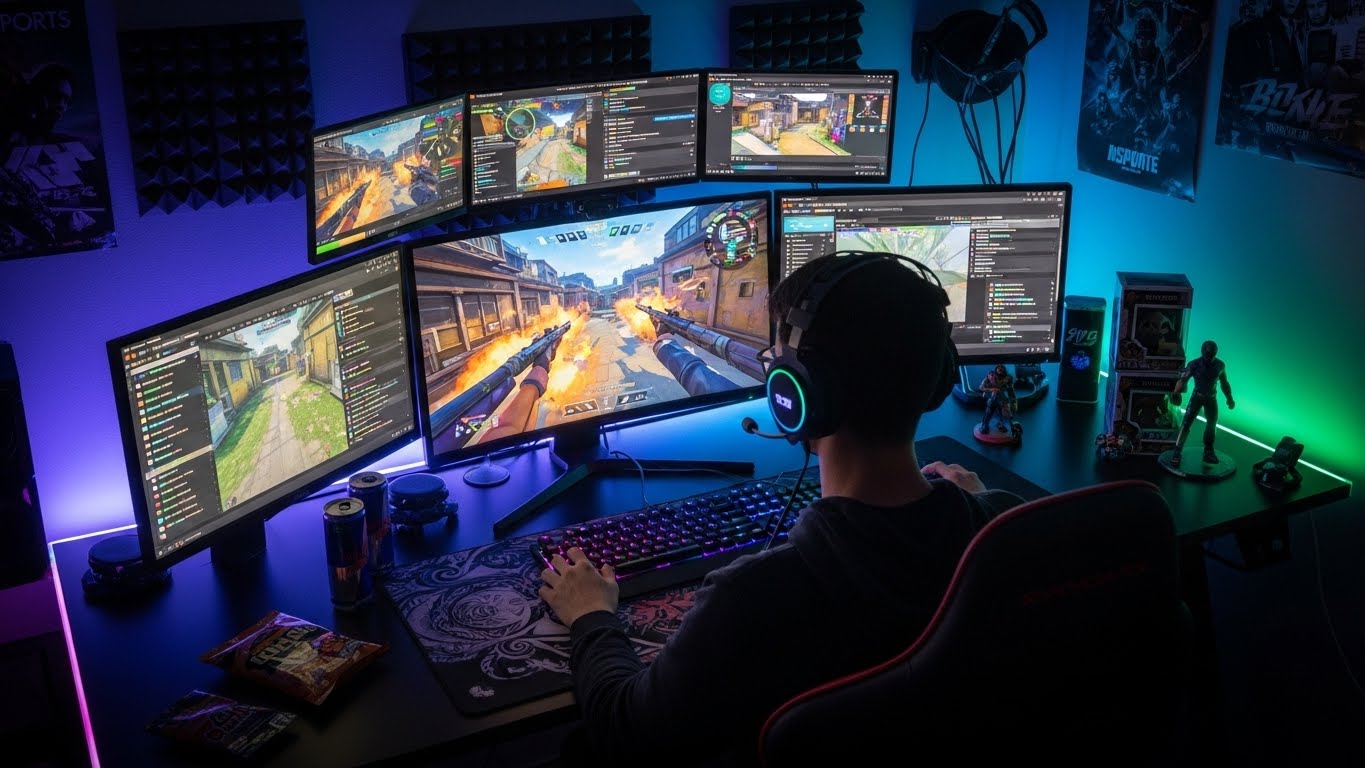
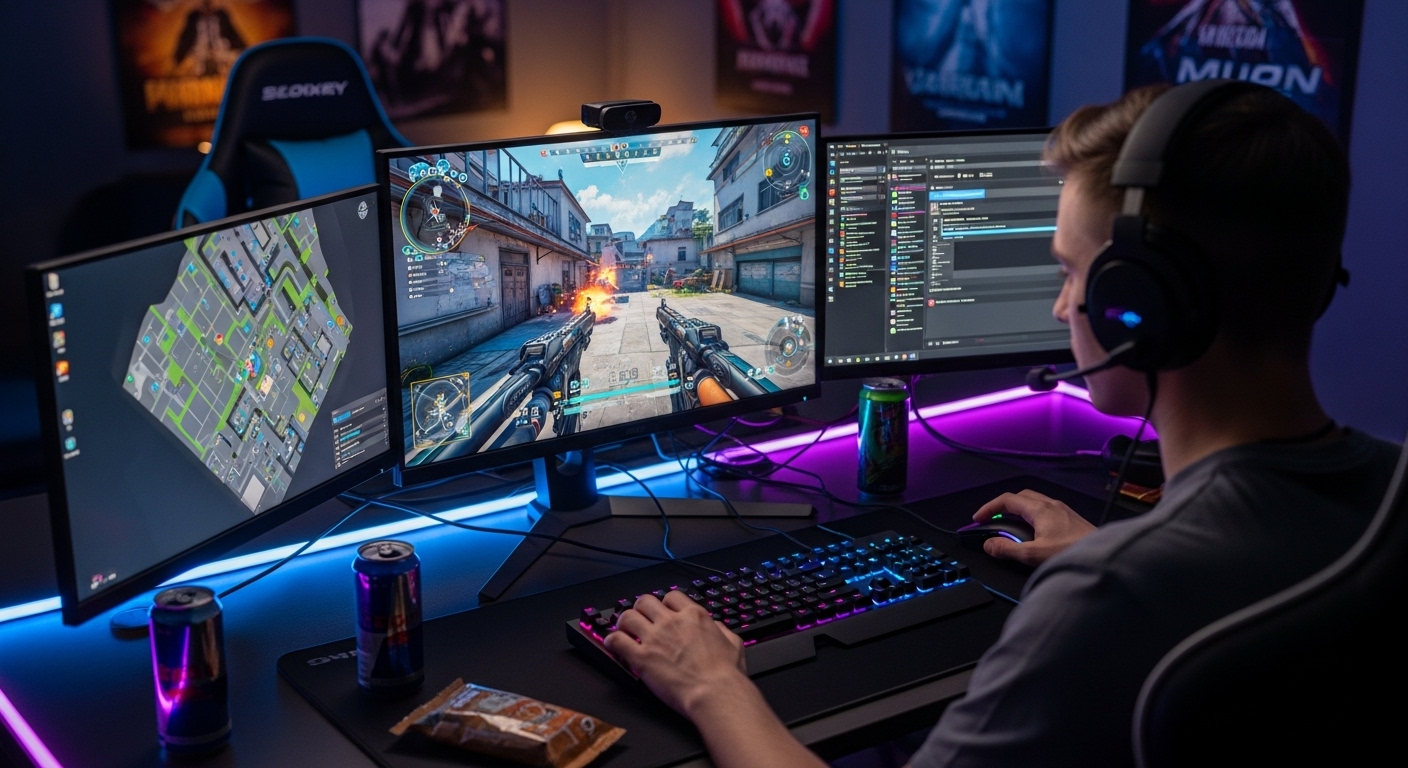
Competitive gaming, also known as esports, has revolutionized the way people view games. Players now compete professionally in tournaments watched by millions of fans. Esports athletes train rigorously, mastering strategy, teamwork, and focus. This growing field has opened up careers in gaming, commentary, design, and event management, proving that gaming can be as serious and rewarding as any traditional sport.
Benefits of Gaming
Gaming offers more than entertainment—it enhances critical thinking, creativity, and problem-solving skills. Strategic games improve decision-making, while adventure and simulation games encourage imagination and innovation. Multiplayer games foster cooperation and communication, building essential social skills. Additionally, gaming provides relaxation, stress relief, and a sense of achievement, making it beneficial for mental well-being when enjoyed responsibly.
Challenges in the Gaming World
Despite its benefits, gaming also faces challenges such as excessive screen time, addiction, and unhealthy competition. Some online environments may expose players to toxic behavior or negative interactions. To ensure gaming remains positive, players must balance their playtime, maintain healthy habits, and promote respect and inclusivity within gaming communities.
The Future of Gaming
The future of gaming is filled with endless possibilities. With advancements in artificial intelligence, virtual reality, and cloud technology, the next generation of games will be more realistic and immersive than ever before. Gaming will continue to expand into education, business, and healthcare, proving that its influence reaches far beyond entertainment.
Conclusion
Gaming is more than a digital activity—it is a global movement that inspires creativity, connection, and innovation. It challenges the mind, strengthens relationships, and reflects the limitless potential of technology. As gaming continues to evolve, it will remain a powerful tool for learning, storytelling, and human connection. The world of gaming is ever-changing, and its next level is just beginning.